Physical Bird Barriers that Protect against the Pest Bird

Tuesday, January 24, 2012 by Kathy Fritsch
get rid of birdsThere are many people who do not care if there are birds in their yard.  Actually, there are some who try and lure the bird with bird baths and bird feeders.  But, if you are not one of those people and are disgusted with the bird mess that is accumulating, there are safe and humane bird control measures that will block the birds from making your home their bathroom.

Reasons to Keep Pest Birds Away

Besides the ugly mess that bird droppings create, there is health risks associated with the accumulated bird droppings.   Crows, for example, can be a huge problem.   They are a very intelligent bird species.  Even though pigeons, sparrows, geese and grackles can be a nuisance, crows can be especially destructive when they come into contact with humans and structures that are not built as bird houses.  Crows have been known to damage airports and planes, so imagine what they do around the home.  Crows cause tens of millions of dollars of damage every year to machinery, automobiles, roofs, ventilation systems and roofs.  The droppings are very acidic and eat away at many substrates.  The bird droppings can damage siding, insulation, air conditioning units to name only a few locations.  It is especially a serious situation if the pest bird builds nests in chimneys and ventilation systems.  This can cause the spread of disease and block the air-flow.  Bird droppings are host to over 60 different types of infectious diseases.  Get rid of the pest bird before it is difficult to get rid of the aftermath they can leave behind.

Bird Control Netting and Diverters


Bird control netting is a bird control measure that is put into place where the pest bird is known to roost and nest.  Pest birds can be a big disturbance not only in the home, but the garden as well.  A lot of pest birds are very social birds and will often flock to your trees. Bird netting as well as anti roosting bird control is necessary to protect fruit trees, garden plants and building structures. 

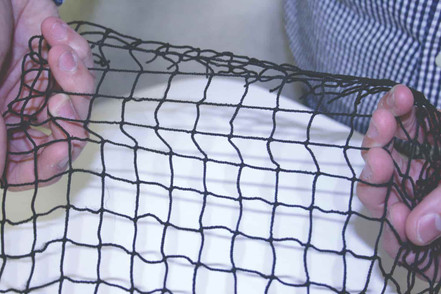
Bird control netting on trees, bushes and garden plants is a solution that places the obstruction between the pest bird and your prize.  Bird netting is made from a U.V. protected polypropylene making it weather and sun resistant, effective and easy to install.  It is a versatile means of blocking a variety of pest birds as you can use a smaller mesh for your blueberry bushes, yet a larger mesh for tomato or zucchini plants.  It is practically invisible to the human eye and will not upset the aesthetics or functionality of the yard.  Placing bird control netting with scare diverters will protect against various species of pest bird.  Scare diverters over time might not actually scare the crow.  They adjust very easily to visual deterrents.  A mixing and matching of different bird control products is suggested with the crow.  Some birds, however, can be deterred easily with just scare diverters.  These pest bird diverters work for large and small pest birds.  They can be hung in fruit trees.  They can be placed sporadically around the yard using a simple wooden post or dowel with the diverters hanging from twine.  The movement of the light weight diverters with its shiny reflective surface and mock predator eye is what scares the birds away.  It is a very humane way to keep the birds away from the area.

There are also predator eye scare balloons that can be places strategically around like the scare diverters.  The scare balloons can be hung on the sides of the home, overhangs, balconies and patios.  Just like the diverters, the scare balloons have the design on the side that the bird believes to be a predator’s eye.  The bright colors and shiny surface confuse and frighten the bird and they will want to keep away from the areas where the scare balloons are placed. 

Bird Gel, Bird Slopes and Bird Spikes

Bird control products that help keep the pest bird from hiding away, building a nest and roosting are transparent bird gel and bird slopes.  The transparent bird get is a non-toxic substance that the birds cannot stand the sensation of.  They will be forced to move on to a different area to roost and perch.  Bird gel is ideal for locations such as ledges, eaves, beams and any horizontal surface where the pest bird may want to land. It is easy to apply using a caulking gun.  It will not harm any domestic animals or humans. 

Another safe option is the bird slope.  This anti-roosting and anti-perching deterrent will encompass most species of birds.  Bird slops can be placed under the eaves of the home where pest birds like to tuck their nests away.  It creates a “slippery slope” and birds will not be able to land on the surface, nor build their nests on them, therefore creating a secure barrier. 

Bird spikes are a successful way to get rid of the pest bird around your yard and structures.  They will prevent the larger pest birds like crows, seagulls and pigeons from landing where bird spikes are applied.  They work by creating an uneven surface that the birds cannot land on.  They will be forced to move on to more desirable location.  Bird spikes, when installed correctly, are virtually invisible.  They are placed on fence lines, rooftops, beams, under eaves and ledges.  The surface can be flat or curved.  There are stainless steel, plastic and spikes that are made specifically for the gutters of the home.  Plastic bird spikes come in various colors to match the structures.  There is white, tan, brick red, black and gray.  They are easily tied, screwed or glued into place. When the bird spikes are secure, so will your backyard vegetation. The pest bird will not be able to perch and look for their next food source which would have been your garden.

All the bird control products that are humane and safe for the pest bird, as well as the humans that may come in contact with them, are very versatile and will be successful in blocking and deterring the pest bird from staying around where he is not wanted.


Anti-Pigeon and Prevention using Bird Proof Spikes

Monday, December 19, 2011 by Kathy Fritsch
get rid of pigeons with pigeon control products

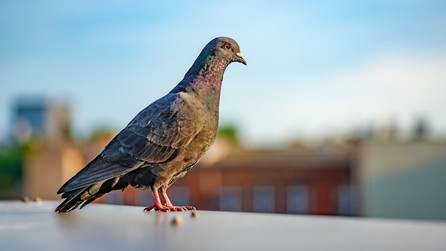
Some may have homing pigeons and keep them as pets.  Others consider the pigeons a pest.  You take precautions and have a place for them if they are your pet.  When they are not, and they interfere with your business or home structures, then they are considered a pest bird.  Pigeons have a long history.  Over the last 1,100 years, as man has developed and built cities and towns, the feral pigeon has moved inland for the purpose of using buildings to roost and nest.  The feral pigeons that are in our cities today descended from the Rock Dove, which is a cliff dwelling bird that was widely found in coastal areas many hundreds of years ago.  The feral pigeon will almost exclusively nest on buildings and at heights.  This is why they have adapted so well to our cities and towns which are now full of high buildings.  Feral pigeons have also learned to exploit man for food and are fed almost exclusively on human food.

Due to the bird’s origins as cliff dwellers and their close association to man, the pigeon is now nesting and breeding in our cities on our ledges and roofs of buildings.  Although many people do enjoy having pigeons around, they are not popular with many property owners due to the fact that roosting pigeons make a mess on the buildings and down on the ground around the buildings.  This mess is from their excrement, which is vast.  Due to the ineffectiveness of just shooing them away, and the fact that pigeons are highly intelligent and resourceful, there are large numbers of pest pigeons present in cities today.

There is a pigeon deterrent that offers complete protection for property where pigeons roost and nest. Bird spikes.  Not only do they deter the pigeons from roosting and nesting, but other pest birds as well.  Crows, gulls, vultures and raptors are also pest birds and notorious for causing havoc to public buildings.  Bird spikes are a humane, safe and cost effective solution that will permanently block birds from perching, roosting and nesting where they are installed.

There are various types of bird spikes.  Plastic bird spikes and stainless bird spikes are often used to bird proof commercial buildings as well as residential.  Both stainless steel bird spikes and plastic bird spikes are ideal to use in a multitude of areas such as ledges, rooflines, eaves, I-beams, light posts, signs, awnings and the list goes on and on.  Plastic bird spikes are made from a professional grade plastic which is a U.V. protected polycarbonate plastic.  Plastic bird spikes are weather proof included extreme low and high temperatures.   It is always best to find a source for plastic bird spikes that is eco-friendly.  Some companies make their plastic bid spikes from post-industrial plastic materials.  Plastic bird spikes and stainless steel spikes come pre-assembled in two-foot sections.  Width size varies according to your need.  There are 3”, 5” and 7” widths to choose from for plastic bird spikes.  Stainless steel have four different widths, 1”, 3” 5” and 8”.  Plastic bird spikes come in a variety of colors to match the exterior of the building.  Both types of bird spikes are virtually invisible, however, when installed properly.  Plastic bird spikes are also non-conductive and will not interfere with communication or electrical transmissions.    Stainless steel bird spikes are the ones recommended by architects and contractors.  Both kinds of bird spikes are very easily installed.  The blunted ends make it safe for the bird as well as the person installing the bird spikes.  Both types also can be installed on any flat surface as well as curved which makes them flexible and versatile for difficult areas. 

Bird proofing using bird spikes is safe and humane.  In fact, the Humane Society of the United States recommends bird spikes as one of the solutions to an unwanted nuisance pigeon problem. 


Keep Unsightly Swallow Nests Away

Tuesday, July 26, 2011 by Kathy Fritsch
get rid of swallowsSpring and summer is the time that swallows return to their nesting sites.  Swallows are known to be very territorial.  They were once cliff dwellers, but now instead of attaching their nests to cliffs, they do so to buildings.  Swallows do not care if it is a commercial building or home dwelling.  Swallow nests have become a detriment to businesses when this occurs.  Their mud nests on the outer walls of businesses are unsightly, and can leave even an uglier stain on the surface of the building. 

A colony of swallows also leaves a nasty trail of bird droppings down the sides of the building. This causes the property owner a lot of time for clean up and even more money to repair the damage that the feces can cause.  Bird droppings are very corrosive and can damage all types of surfaces and structures from paints to wood and even metals.  Swallow nests also harbor bacteria, fungal agents and parasites which can cause very serious diseases when humans come in contact with them.   Encephalitis, Histoplasmosis and toxoplasmosis and more are ailments birds nest and their droppings can cause.  The swallow nests are also often infested with insects.  If not removed after the nesting period, a new bird with the same problems will inhabit the old nest.

The nests of swallows and other pest birds are fully protected under the Migratory Bird Treaty Act of 1918 which states it is illegal to intentionally harm or kill any migratory bird.  It is illegal as well to intentionally destroy or damage the nests, eggs or young of a swallow while the nest is occupied.  Thankfully, there are swallow deterrents that are humane and very effective.

Bird netting is an effective type of swallow bird control that safely excludes swallows from where the netting is applied.  It is great for under eaves, barns, balconies, garages, any structure your business might have.  Netting is lightweight, durable, U.V. protected polypropylene.  Bird netting comes in different mesh sizes and a variety of lengths to correspond to the area that needs the bird netting.  Bird netting is easy to work with and can be secured using zip ties, twine or hog rings.  It even protects plants, especially garden like vegetation.  Each plant can be wrapped individually or the netting can be suspended over an entire area for protection.  A staple gun can also secure the netting around any perimeter.

Bird slopes are another very effective bird control that is humane and safe.  Bird slopes block birds from landing or nesting on open ledges.  The slippery slope which is created by using PVC is ideal for any area that meets at a 90 degree angle. This includes eaves of the building.  Bird slopes are considered an anti-perching and anti-roosting bird deterrent and is effective against most types of birds, including the pest swallow.  The bird slopes are U.V protected, as well, and they are sun and weather resistant.  Installation is easy and there are many bird slop accessories to help accommodate different situations.  There are extenders that snap to adapt better to a wider ledge.  There are also caps to place at the end of the bird slopes that keeps the swallows from getting behind the slopes.

If you learn about the swallow and how and where they build their nests and where they roost, choosing the bird deterrent that works for that area is easy.  Putting any type of bird deterrent measures into place before there is a bird problem is always recommended.


Bird Control Management for Eaves of Buildings

Tuesday, July 26, 2011 by Kathy Fritsch
get rid of birds The eaves of a building are the edge of the roof that hangs over the building.  A primary purpose of an eave is to protect the sides of the building.  It keeps debris from sliding off the roof and not directly sliding down the side of the building.  Although they have a designed purpose, they also have many architectural styles.  Some are built to be quite ornate, while others are very straight forward and simple.  There are four main styles of eaves.  Exposed eaves leave the underside of the roof exposed and visible.  Boxed-in eaves hide the rafters and attach to the building at the same angel as the roof does.  Soffited eaves have a soffit board which will cover and connect the rafters to the overhand of the eave in a perpendicular fashion to the side of the building.  Abbreviated eaves cut off at an almost 90 degree angles to the side of the house.

What the most ornate eave has in common with the simplest eave are pest birds.  Pest birds love every kind of eave to hide up in and nest and have their babies, safe and away from the eyes of their predators.  The pest bird does not discriminate from using homes, mansions, business or government buildings.  The only defense against the feather opponent is proper bird control management.

It is inevitable that birds will roost and nest under the eaves.  It is essential they not be allowed to perform this behavior.  Bird debris from nests and bird droppings are damaging and dangerous.  Not only is the bird dropping an eyesore when it extends down the building and onto the walk ways, but the droppings themselves are very corrosive.  Bird droppings are highly acidic.  Over time they will damage paint, stucco, wood, aluminum, metals and cement.  Just about every type of structure there is.  Bird droppings also carry over 60 known transmissible diseases.  The nesting materials are home for not only birds, but insects, mites and bedbugs.   The damage and danger caused by the pest bird and their nests and droppings is not acceptable for any business location.

Getting rid of birds takes initiative in determining what type of bird control management is best.  If any owner or facilities manager is ever in doubt, there are reputable companies that will help guide you towards picking out the right bird control methods to use and help with installation of the products as well.  Some easy options that will aid in deterring the bird from the eaves of the buildings are bird netting, shock tracks, bird spikes and bird slopes, to name a few.

Bird Netting

Heavy duty bird netting would physically block the birds from entering under the eaves.  It would help block out just about every size of pest bird.  This type of bird netting is frequently specified by architects.  It is recommended to look for netting that has been ISO 1806 Protocol Mesh tested.  It is important for the bird netting to be flame resistant; both rot proof and water proof.  No matter which type of netting that is chosen, it is important to properly install it.  It is imperative that there is no sagging or dropping of the net.  If there are any gaps, the birds will find them and get through the netting this way.  This is where an installation specialist will come in handy.

Shock Tracks

First off, shock tracks do not harm the pest birds in any way.  Shock tracks are actually a very low profile way to get rid of the pest birds and keep them away.  The track systems give off a very mild electrical shock whenever the birds land on its surface.  This is a great form of bird control management if aesthetics are a huge concern.  The track system, at its highest point, is only ¼” in height.  They are virtually invisible.  They also come in four different colors which are grey, stone, black and terracotta.  The base of the shock track is made of a flexible U.V. protected PVC which makes for easy installation on both flat and curved surfaces.  They can be powered by an A.C. charger or solar charger.  They are also patented with the “Anti-Arcing” design to enhance the safety aspect of the bird control product

Bird Spikes

Bird spikes are a bit higher than the shock tracks, but when installed correctly, can be virtually invisible from the ground.  There are stainless steel bird spikes and plastic bird spikes.  Again, if aesthetics are a big concern, plastic bird spikes come in a variety of colors, tan, white, black brown, grey, brick red and crystal clear.   They are easily glued down or screwed down on any surface.  Plastic bird spikes are also non-conductive.  They will not interfere with electrical or communication transmissions.  Plastic bird spikes are also U.V. protected, sun and weather proof.  The plastic bird spikes are as tough as the stainless steel bird spikes, but they are half the price, and just as effective.  The bird spikes work by creating an uneven surface that the birds will not want to land on.  This will force them to move on to a different location.  Bird spikes do not harm the birds at all.  The ends of the spikes are blunt, which aids the installer as well. 

Bird Slopes

Bird slopes are ideal for the eaves that have a 90 degree angle.  The bird slope generates a slippery slope which the pest bird has trouble landing on.  There are two colors available, either stone or grey.  With the use of the bird slope, pest birds will not perch, roost or nest in the eaves.

As you can see, bird control management is safe, simple and can be put into action quickly.  There is not time to waste.  Protecting the structures before the birds nest is essential.  Most pest birds are protected by the Migratory Bird Treaty Act.  Once the nests are occupied, it is illegal to disturb them until the birds leave. 


Zap the Pest Bird – Humanely

Monday, July 25, 2011 by Kathy Fritsch
electric bird deterrentsBirds are predictable creatures.  They perch, roost, nest and poop.  It is even predictable to determine where they will do this behavior.  Most people may think that high buildings where birds roost and nest is not doing anyone any harm.  Let the birds do “their thing”.  But, in actuality, there is harm being done.

Bird poop is damaging.  From the ground, these tall buildings may look strong and magnificent.  But upon close inspection of the elaborate structures, the urban menace is probably lurking.  Pigeon droppings are on window ledges, sides of buildings, roofs and even all the way down to the walkways.  These noxious deposits are not only unattractive, but can pose a much greater threat than aesthetics. 
Pigeon poop is a very corrosive substance.  Pest bird poop, in general, is highly acidic in nature.  As an example, a 40-year-old bridge, which crosses the Mississippi river in Minnesota, collapsed during rush hour traffic.  According to an officer with the health and safety division of the American Chemical Society, the collapse was due to structural weaknesses brought on by the buildup of pigeon poop over a period of time.  Over 100 commuters were injured and thrown into the river.   Take this information and bring it over to a high rise building.  The potential devastation that is possible is frightening. 

How do you keep the pigeon and other pest birds from defacing and damaging the building?  One easy way is to zap them.  Initially, this sounds harmful and mean.  But there is actually a very safe and humane way to go about it.  There is a very discreet way to deter the birds using a “flat track” that measures no more than ¼” high at its very highest point.  This flat track is an electrical track bird deterrent system that zaps the pest bird with a mild electrical shock when the bird lands on its surface.  This small electrical zap will not harm the birds in any way.  It simply gives them a very mild shock that gets rid of the birds and keeps the birds away.  Birds are very smart creatures.  They will want to stay away from the building at all costs.

The system is powered by an A.C. charger or solar charger.  The flat track comes in 100 ft. rolls and can be glued down to virtually any surface.  It is extremely flexible and can bend 360 degrees without compromising the integrity of the system.  It is lightweight and easily managed and installed.  Most importantly, it is water proof.  Adding to its very low profile design, it comes in various colors; grey, black, stone and terracotta.  The flat track is patented with an “Anti-Arching” design adding to the safety of the bird deterrent product.  It is made of a U.V. protected PVC base which makes it flexible for use on curved surfaces as well as straight surfaces.   Ideal for rooflines, ledges, parapet walls, I-beams.  The flat track can even be placed on signs and light fixtures. 

Another type of very low profile bird repellent would be a transparent bird gel.  A transparent bird gel is a non-toxic, sticky substance that can be used on pipes, conduit, I-beams, parapet walls and ledges.  It can be used on any vertical surface where the pest bird is landing and pooping.  The transparent bird gel is effective against small and large birds.  Installation is a breeze and you simple using the 10 oz. caulking tube it comes in to place it where needed.  It will last up to six months outdoors.  It would be very simple for high rise window washers to add this to the window ledges when they are cleaning the windows.   Birds will hate it, but those inside the windows will love it.  They will no longer have to look at the nasty bird droppings, but instead their wonderful view of the city.  Transparent bird gel is a very cost effective means of keeping the birds off the window sills. 

On the highest rooftop is where there is definitely a need to keep the pest birds off the building. On the rooftop is where all the vents and exhaust pipes come out.  This is a vulnerable area and where the pest bird likes to build nests.  They like to hide in the tubing which is hiding away from their predators.  It is important that the pest bird not be able to get in these areas.  The bird poop is not only corrosive and damaging, but very dangerous to humans as well.  If the bird poop were allowed to accumulate and then enter the air conditioning and heating vents, disaster could strike people inside the buildings.  After the bird droppings have hardened, they become dust like.  In that dust like material are spores that harbor transmissible diseases that can be transmitted to humans.  Histoplasmosis and Cryptococcosis is just a couple of the lung diseases that can be detrimental to humans.  Inhaling the dusk like substances will cause mild symptoms such as fever and muscle aches toward much worse symptoms leading to death.  The bird nest debris also brings along insects, mites and even bed bugs.  Bird proof netting or bird spikes can be installed across the openings to prevent the pest bird from nesting in such openings.

Bird deterrent options are numerous.  Building maintenance workers, managers and building owners are wise to educate themselves in the various ways to protect the building and the people inside.  Bird control products are diverse and there is a solution to every pest bird problem.


Easy To Use Pest Bird Deterrents

Tuesday, November 30, 2010 by Kathy Fritsch
get rid of birdsBackyard birds can turn to pest bird status very quickly.  They can damage roofs, wood, paint and canvas.  Canvas can be permanently stained and paint, roofs and wood can be corroded by the pest bird’s droppings.  The bird droppings can be very unpleasant.  Besides unpleasant looking and smelling, bird droppings can be quite hazardous to your health.  They are known to carry up to 60 diseases that can affect humans.

It does take more than waving the broom in the backyard to scare the pest birds away.  There are many bird deterrent products that will help get rid of the birds from your property.  Bird deterrent products will discourage the pest birds from roosting and nesting.

Bird deterrent products that frighten birds away are a good product to start with.  Flash tape is a very simple visual bird deterrent that is made of iridescent red material that glimmers from the sun and moves slightly in the breeze that confuses and disorientates the birds.  It also makes a crinkling sound in the breeze that the birds do not like.  It can be hung in trees.  It can be secured to homes, carports, barns, on poles surrounding a garden and even on the boats and boat docks.  It can be effortlessly secured to any area where the pest bird congregates.

Other visual scare devices that can be effective as a bird deterrent are the scare diverters and balloons.  Both have the markings on the device that the bird believes to be a reflective predator’s eye.  The bird’s natural instinct when they see a predator is to flee the area.  The diverters and balloons can also be hung in trees or around the patio.  The balloon can float around in a hot tub or pool to deter the pest birds from the water source.

Transparent bird get is another bird deterrent product that is successful in keeping all birds off of ledges, rooflines, pipes, signs, air conditioning units or any other horizontal surface.  The birds will not want the sticky substance on their feet.  It is a major irritant to them.  It is completely safe for all animals and humans.  It can last up to 6 months outdoors in all kinds of weather.  It is quick and easy to caulk on the flat surfaces and will be immediately effective against the pest bird.

Plastic bird deterrent spikes are another bird deterrent method that will keep the birds from roosting and landing near your home.  The bird spikes are practically invisible from the ground.  To help aid their disguise from the human eye, they come in a variety of colors in order to match the area they are applied to.  They come in two-foot sections and are installed quite easily with either an adhesive or screws.  They are simple to install around rooftops, windowsills and fences. 

Using the anti-perching and anti-roosting bird spikes along with a visual deterrent will ensure the pest birds will not be sticking around and accumulating their droppings on your property.  This will save time and money in the long run.  It will also make certain that the health risk from bird droppings is eliminated. 

Us of Bird Repellent Spikes at Home and Businesses

Wednesday, November 10, 2010 by Kathy Fritsch
bird repellent spikesThere is a high disease potential when pest birds such as pigeons are permitted to roost in areas frequented by humans.  Some of these areas may include roofs, air conditioning systems and light posts to only name a few.  There are over 40 known viruses and 60 diseases directly associated with birds and their droppings.  Some diseases are simply minor stomach ailments, but many can be fatal diseases such as histoplasmosis, which is the one of the more common diseases.  Histoplasmosis is a fungus.  It is transmitted to humans when the accumulated bird droppings are disturbed and the tiny sores are inhaled.  The spores which are inhaled are then transported through the body. 

Like any illness, the sure way to contain the problem is to catch it before it arises.  Bird repellent systems installed at homes and businesses can eliminate the problem that birds and their droppings leave behind.  It is not only health that is in jeopardy, but property as well.  The “white” bird droppings that are normally seen is uric acid.  Uric Acid is a very powerful acid.  It will eat through many materials including paint, wood and even steel.  Bird droppings and their uric acid will cause permanent damage.  When this is done to roofs, air conditioning units and light posts, it is not hard to imagine the financial devastation that will happen. 

Bird repellent spikes are one way to fight against the pest bird and their corrosive droppings.  Bird repellent spikes work by simply preventing the large pest birds from landing on the targeted surface.  Bird repellent spikes create an uneven surface that is very uncomfortable for the pest bird.  Bird repellent spikes will keep pest birds away from the air conditioning units, rooftops, ledges and even window sills and eaves.  They can be installed on wooden posts and lamp posts, any flat surface the pest bird roosts and perches on. 

There are bird repellent spikes made out of plastic that come in a variety of colors to match the paint on the structures being protected which will appear virtually invisible to humans.  The pest birds will know they are there and merely fly on by to look for a more comfortable roosting spot.

Similar to the plastic bird repellent spikes are the stainless steel spikes.  Both types of anti roosting spikes are easy to install.  The U.V. protected bird repellent spikes will last a long time with the sun and weather proof protection the U.V. offers.  

Bird control products such as bird repellent spikes offer a humane bird control system for use wherever it is needed, whether it is at home or at a business.  New wet bird droppings are slippery and can lead to slipping and falling.  It is important to keep all safe from the dangers the pest birds can leave behind.  The cost of repair and replacement of damaged surfaces, as well as liability of humans will definitely exceed the cost of any type of bird control system that is installed.     

Low Maintenance Backyards Include Bird Control

Friday, October 8, 2010 by Kathy Fritsch
Bird Control for backyardsLots of hardscape in front and backyards creates low-maintenance living.  Having arbors, stepping stone pathways, fish ponds and decks also enhance the architecture of a home.  Eliminating high maintenance grass areas can be easily changed into functional gardens.  Recreating a low maintenance living environment in any location in the long run saves thousands of dollars each year.  It also saves on our public water supplies.  Over 50 percent of U.S. residential water usage goes to irrigate lawns. Another low maintenance grass alternative is planting clover.  It is also drought-tolerant.  Rock gardens and drought-tolerant perennials are also alternatives for low maintenance, cost effective landscape.

With any type of yard, however, there is still a problem with pest birds.  Whether landscape or hardscape is created, roosting areas are still abundant for the nuisance birds.  And with roosting birds, come pooping birds.  Actually the white “bird poop” is bird urine.  The little black or dark brown dot inside the white is the actual bird poop.  Bird droppings are more than just unsightly.  They harbor parasites, bacteria, molds and viruses that are harmful to humans.  Bird droppings are highly acidic and corrosive and can stain and damage building structures.

When planning the low maintenance yard, make sure to have a bird deterrent system as part of the plan.   An effective bird control plan can be humane, safe and economical.  The bird control plan should incorporate products designed to keep the pest birds from finding a comfortable spot to roost, perch and nest.

Anti-roosting products such as bird spikes prevent the large pest birds from landing on a flat or curved surface.  Bird spikes are ideal for locations such as ledges, eaves, canopies and awnings to only name a few.  Bird spikes create an uneven surface which simply makes it uncomfortable for the bird to land.  Polycarbonate plastic bird spikes come in various colors.  The aesthetic appeal of the landscape design will not be interrupted.

Bird repellent is another form of anti-roosting and anti-perching bird control.  Bird repellent will work on just about all species of birds, large or small.  Bird repellent is a thick sticky substance that can be sprayed on horizontal structures such as ledges and fences.  It can also work in trees and bushes where pest birds communally roost.  Bird repellent is a non-toxic substance and will not harm the bird, humans or any vegetation.  The stickiness creates an uncomfortable landing spot for the pest bird, and is a very low profile way of encouraging them to find another location.

If bird sounds are appealing to you, using a sound bird deterrent will work well for your backyard bird control plan.  A sonic bird deterrent is a sound device that broadcasts over 22 different types of bird’s distress and predator calls.  This scare tactic works and gets rid of the real birds.  A bird’s natural instinct is fight or flight.  When they hear the programmed sounds from the sonic bird deterrent, their response is flight.

Creating a home environment that is low maintenance can also be low cost.  Making a plan and putting bird control products into play will save homeowners time and money.

Winterize the Boat with a Solar Bird Repeller

Monday, September 20, 2010 by Kathy Fritsch
0 Comments »

Bird Proofing Boat for Winter

Thursday, September 16, 2010 by Kathy Fritsch
bird free boatsWinterizing the boat at the end of the summer season is never fun.  It is important, however, and worth the effort to protect your valuable recreational asset.  After a fun summer of boating, spending a little extra time closing down the boat for winter and using bird control will save you time, effort and money when spring rolls around again.

Along with the inspection and oil changes of the inboard and outboard engines, cleaning the stern drives and bilges, there is the interior cleaning and the exterior protection.   Many checklists will go through the parts of the boats and systems to prepare for winter.  Most lists suggest ways to protect the boat from the weather elements.  Shielding your boat with a sturdy fabric boat cover from weathering is a necessity since today's boats are rather expensive. The boat cover, itself, is not a bird barrier and the cover also needs to be protected.  Many lists forget to mention that bird proofing is crucial when winterizing the vessel.

For months, boats will be left unattended; unattended by a human that is.  The pest birds, however, will make themselves at home gladly.  They will perch and poop and they will roost and poop.   The accumulation of bird droppings can eat through the cover and start damaging the boat.  The acidic bird droppings will stain paint and canvas and can even erode steel.  Pest birds like the higher areas of the boats such as the top of masts, riggings and on the spreaders.  A bird proof system is needed to get rid of the bird and the lasting problems they can cause.

Bird proof systems will eliminate the extra clean-up and repair come spring time when you are ready to take the vessel out once again.  Anti perching devices such as bird spiders can be placed on a surface such as the Biminis, masts and canvas areas.  Bird spiders have 8 arms that move in the breeze.  They get rid of the pest bird by keeping the pest birds from landing near the bird spider.  Another scare tactic that is proven successful is visual bird deterrents such as balloons and diverters.  When the pest birds see the movement and the colors and design of the bird balloons and bird diverters, they think they are seeing a predator and the birds will fly away in fear.

Bird proofing the boat for winter will keep the boat protected as well as protect your health also.  If bird droppings are allowed to accumulate, it can be hazardous to your health.  Over 60 transmittable diseases are known to be carried in bird poop.  West Nile virus as well as Histoplasmosis is examples of the transmittable diseases that can harm humans and other animals.   Money, time and health can be saved by adding bird proofing to your list when winterizing your boat.

Two Ways to Deter Swallows

Wednesday, July 14, 2010 by Alex Kecskes
bird control for swallowsWhile they come in handy for controlling flying insects from taking over your garden, without bird control to limit their numbers, swallows can be a nuisance. These birds can be messy, leaving droppings on your porch or walkway, especially when young birds are in the nest.  
 
Barn Swallows and occasionally Cliff Swallows frequently nest under eaves of houses. Here, exterior walls provide a firm surface for them to attach their mud nests, and eaves offer protection from harsh weather. Since it is illegal to directly interfere with birds that are actively building their nests, you can only stop swallows before they arrive. The key is to be proactive with humane but effective bird control measures.
 
To keep them from nesting on your porch or under your eaves, you can block their access to these areas with Bird Control Netting. When installing bird netting, make sure that it has a mesh size of 1.3 to 1.9 cm (0.5 to 0.75 inch)--although 2.5 cm (1-inch) mesh will suffice. The netting should be tightly installed. Loose or poorly fitted netting will leave pockets or wrinkles that could trap or entangle birds. 
 
Bird Slope can also be used as an effective bird deterrent against swallows. These angled, slippery PVC panels provide anti-perching, anti-roosting protection against a wide range of pest birds. When properly installed under eaves and other 90-degree nooks and crannies, they won't allow swallows to get a solid footing. And their mud nests will simply slide off. The panels and are easily mounted with special mounting clips. Bird Slope panels have the added advantage of being very non-obtrusive, blending in with a building's architecture. They even come in two colors--stone and grey--to better blend in with a structure's color scheme.
 
Regardless of which bird control measure you use, you should install these before swallows arrive, not after. 
 

Install Bird Slope and it's Bye-Bye Birdie

Monday, July 12, 2010 by Alex Kecskes
bird control productsIf you've got pest birds flocking to your ledges, you need to implement some effective bird control.  If pest birds are invading your eaves and making a big mess down below, it's time you took them seriously and invested in some bird deterrent measures. If winged pests are spreading all over your beams, you need to act now, before things get out of hand. 
 
Now you could whip out your trusty BB gun, or get some lethal bird trap or poison, but you know, in your heart, you really don't want to harm the little birds, especially with your kids and neighbors watching. 
 
Fortunately for you, some smart people have come up with a solution to your pest bird problem. It's called Bird Slope. Known as an anti-perching, anti-roosting bird deterrent, Bird Slope discourages all types of birds from landing, roosting and nesting on eaves, beams and other 90-degree areas. It's hello Bird Slope, bye-bye birdie. 
 
The reason Bird Slope works so well as a bird deterrent is that birds just can't get a grip on these angled, slippery PVC panels and they just slide off. The U.V.-protected, sun- and weather-resistant panels are ideal for use against swallows, starlings, pigeons and seagulls. If it's got wings and toes, it will slide off, give up and move on. 
 
Mounted upside down with special mounting clips, these bird control panels also create a slippery area that keeps swallows from attaching mud nests to a corner. Bird Slopes typically come in 4-foot long panels and they're usually packed 48 feet per box. Some panels have a "snap-on" extender that lets you attach them to wider ledges. You can also get “end caps,” which prevent birds from getting behind the sloped panel. The panels even come in different colors--stone and grey--to blend in more naturally with their surroundings. 


Effective Bird Deterrents for Swallows

Friday, July 9, 2010 by Alex Kecskes
pest bird deterrentsIn the absence of effective bird deterrent measures, swallows can quickly become a nuisance in suburban areas. They will attach their nests to wood beams and the stucco of houses and buildings. Left on a surface long enough, swallow nests will leave a lasting and unsightly stain. There's also the problem of droppings, which often cover a wall and the area below. 
 
The bacteria, fungal agents and parasites found in swallow droppings and nests can carry some pretty serious diseases--including meningitis, toxoplasmosis, histoplasmosis, encephalitis and salmonella. Then there are the insects that crawl throughout swallow nests, which enter homes and buildings  
 
Unfortunately there are limits to what you can do to swallows. Both the birds and their nests are fully protected under the Migratory Bird Treaty Act of 1918. Fortunately, there are bird deterrent measures one can use that are both effective and humane.  A few are listed below:
 
Mist Capture Bird Netting--Available in a kit that includes poles, attachments, a laser tool, and a 10’x30’ mist net, these bird deterrent nets safely capture swallows who have found their way into enclosed porches, gazebos, garages, and patio covers. Mist netting is made of strong, extremely fine fibers that birds can't see. The netting is hung directly in a swallow's flight path so that when a bird hits the net, it becomes immobile. Once safely immobilized, the swallow can be easily removed and set free.
 
Ultra Net--Ideal for preventing swallows from getting under eaves, barns, balconies, garages, sheds and other areas, this low-profile bird deterrent netting is a lightweight plastic mesh made of durable, U.V. protected polypropylene. 
 
Bird Slope--These slippery panels are easily installed on eaves and other 90-degree nooks and crannies. They provide an effective anti-perching, anti-roosting bird deterrent. The specially fabricated panels are made of U.V.-protected PVC to make them sun and weather resistant. 


Backyard Picnics Do Not Have To Be For the Birds

Monday, June 28, 2010 by Kathy Fritsch

backyard bird controlMore and more people are staying in during holidays and summer vacations due to the financial crises of 2007-2010.  The new term “staycation” has achieved high popularity in the US as well as the UK.  In the United Kingdom they might also call this a “stoliday” or “holistay!”  The idea of a staycation is to relax at home during vacation time and holidays, only considering short day trips to local attractions.  Staycations are suppose to be less costly, less stressful, and an economic benefit to local businesses.

Backyard barbecue’s are always on the agenda during a staycation.  It does not mean staying inside, but enjoying your yard and the summer weather.  Before you plan this wonderful holistay, consider doing an inventory of how comfortable your environment is.  A big concern for a lot people is the mess and destruction the pest birds can have on your backyard atmosphere.  If you have ignored the situation, bird droppings will be all over your patio furniture, including your barbecue!   You might notice roosting or nesting spots by the accumulation of the bird droppings in one area.  It is not too late to remedy the problem with USA bird control to assure that the bird debris will not return.

Cleaning Up Bird Droppings

The reason you do not want to just wash the mess off the way you might wipe off every day dust and dirt is because bird droppings can be dangerous to your health.  The dangerous health aspect of the droppings is the dust that gets into your breathing space when they are disturbed.  The dust particles carry spores that are known to contain over 60 transmittable diseases to humans and domestic animals.  Take precaution by simply wearing protective clothing such as gloves, protective shoes like boots, and most importantly a cover over your nose and mouth.  This will eliminate the risk of inhalation of the spores.  There are disinfectants designed to clean, disinfect and deodorize surfaces soiled with bird droppings.  Use a cleaner that is USDA approved for cleaning bird droppings from food and non food surfaces.

Protecting Backyard from Future Bird Droppings

Now you are ready to protect against future feathered friends that may try and join your activities.  If these unwanted nuisance birds are roosting, making the location uncomfortable for them is all you need to do.  Bird control spikes can be put on any flat surface such as roof lines, ledges, I-beams and awnings to only name a few.  The bird spikes, whether they are plastic or the stainless steel bird spikes, act as a perfect anti perching jagged surface.   They will not harm the bird in any way.  The pest birds will simply fly on to a better spot.

Visual bird deterrent products such as flash tape and balloons work wonders in the backyard.  Both visual bird deterrents have shiny reflective surfaces that birds perceive to be a threat.  This scares the pest birds.  When they sense predators, they take flight.  Both deterrents can be hung from trees, or the side of your home or patios.

Cleaning up and protecting against the pest bird invasion can be done on a weekend before you decide to take your “stoliday.”  So when you are home for a length of time, the only thing you need to worry about is what you are going to cook on the barbecue and if you want your drink on the rocks or blended!

Using Humane Bird Barriers to Protect Your Home

Friday, May 7, 2010 by Kathy Fritsch

Protect your home with bird barriersWhen it comes to birds near the home, there are generally three views of thought.  You do not care or give much thought to the bird’s presence.  You entice the birds by creating a haven of bird baths and bird houses.  You think up ways to get rid of the birds because they are interrupting the peaceful refuge of home you are trying to maintain.  There is no right or wrong view point, unless you intend to harm the birds in any way.  Thankfully there are safe and humane ways to get rid of birds from your home.

Bird Proof Netting and Diverters


Bird control barriers
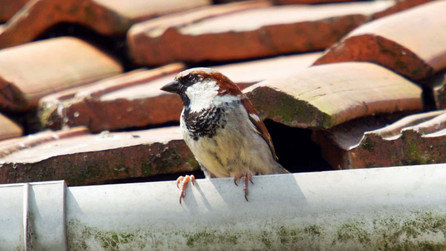
are obstacles put into place where the pest bird is known to roost and nest.  House Sparrows, for example, can be a big disturbance in the  garden.  You would not think that such a small bird would be considered such a huge pest.  The House Sparrow is a very social bird, often forming flocks with other types of birds. They are known to flock in trees.   House Sparrows mostly eat plant materials, which are grain, fruit and garden plants.  Anti perching US bird control devices are necessary to protect fruit trees and garden plants.

Bird control netting on trees, bushes and garden plants is a solution that places the barrier between the pest bird and your bounty.  Ultra bird netting is made from a U.V. protected polypropylene making it weather resistant, light and easy to install.  It is versatile as you can use a smaller mesh for your blueberry bushes, yet a larger mesh for tomato or zucchini plants.  It is virtually invisible to the human eye so it will not disrupt the aesthetics or functionality of your garden.  Placing bird control netting with bird scare diverters will protect against various species of pest bird.  The crows and starlings can be deterred easily with scare bird diverters.  These pest bird diverters work for large and small pest birds.  They can be hung in trees.  They can be placed around gardens using a simple wooden post or dowel with the diverters hanging from twine.  The movement of the light weight diverters with its shiny reflective surface and mock predator eye is what scares the nuisance birds away.  No harm to the bird comes from the bird netting or bird diverters.

Bird Gel and Bird Slopes

Bird nest deterrents
such as transparent bird gel and bird slopes are ideal for areas where the sparrows try to hide and nest, under the eaves of the home or any ledges that meet a 90 degree angle.  Transparent bird gel is a non-toxic gel that is very sticky.  It can be placed on any horizontal surface where the birds perch or nest, and the sticky sensation will keep them off the area and acts as an encourager to go and find a more comfortable spot.  It is easy to apply using a caulking gun.  It will not harm any domestic animals, humans or the birds.

Another safe option is the bird slope.  This anti-roosting and anti-perching bird deterrent will encompass not only the sparrow, but most other species of birds.  Bird slops can be placed under the eaves of the home where sparrows like to tuck their nests away.  It creates a “slippery slope” and birds will not be able to land on the surface, nor build their nests on them, therefore creating a secure barrier.

Why Protecting your Home from Pest Birds is Important

The health risks alone should be enough to want to protect your family from pest birds.  The House Sparrow is host to a huge number of parasites and diseases. Sparrows are even known to carry bed bugs.  Bed bugs can affect humans and domestic animals.  The obvious lesson is that the less birds there are in any given area, the better.  This translates into a slighter probability of an infected bird in that area infecting family and domestic animals.

As it may be more cost effective to buy your vegetables and fruit on sale at a market, the end result of eating a home grown tomato or freshly picked fruit from the garden out ways the cost.  What you do not want to do is spend the time and sweat into a hobby that just goes to the birds.  US bird control solutions are economical and effective and will guarantee a bountiful flavor for you and your family at meal times.


Humane and Effective Bird Control

Thursday, April 29, 2010 by Kathy Fritsch

Are birds controlling your outside environment?  Wild birds can make nests and roost in the worst possible places causing a terrible nuisance.  How easy does it sound to put into place a bird control system that simply has the pest birds flying away to other habitats?  The bird control industry has made bird removal effective and safe for the environment.  There are hundreds of bird control products to choose from, but don’t let that scare you away from figuring out what you need in order to protect your property, home and health from the invasion of the pest bird and the destruction they can create.  It can be simple.  And, it does not have to cost you your life savings!

What Kind of Bird Deterrent Will I Need?

First determine what type of bird is in your area.  Common pest birds around home environments are house sparrows, crows, pigeons and starlings, to name a few.   Familiar hiding places for these pest birds to build their nests or roost are the eaves of your home, roofs, and trees.  Don’t forget to protect berry bushes, flowers and gardens as well.

Physical bird deterrents are one method to consider.  This includes products such as bird slopes, bird spikes and bird netting.  Bird slopes are suitable for deterring all species of birds.  The bird slope is effective on open ledges that meet a 90 degree angle such as eaves and I-beams.  The rigid, one piece construction made out of PVC plastic is easily installed by using an outdoor polyurethane adhesive.  This anti-perching, anti-roosting bird deterrent is designed to make it impossible for the birds to land on the slippery slope forcing the pest bird to look for another place to land.

Bird spikes protect any flat surface such as ledges, rooflines, posts and even windowsills.  There are heavy duty stainless steel bird spikes that are usually recommended by architects, contractors and government agencies.  They come pre-assembled and in different widths to accommodate the area that needs to be treated.   The same is true for plastic bird spikes.  The plastic spikes come in a variety of colors including crystal clear so as not to interfere with the aesthetics of your home.  There are also spikes specifically designed for use in the rain gutters of your home or building.  The house sparrow and starling are notorious for building their nests in the gutters, which can cause clogging and the pile up of unsanitary bird droppings.

Bird netting can be used on a variety of areas including rooftops, fruit trees, berry blushes and vegetable gardens. They are heavy duty yet light weight; protected with U.V. polypropylene making the bird netting weather resistant and long lasting.  Bird netting is quick and easy to use and one of the most effective, low profile physical barriers to prevent the birds from getting at the fruits of your labor.

Sound bird deterrents are another proven method of getting rid of the pest bird.  They are especially effective in large areas.  Sonic units are sound devises that are used to mimic the sounds of predators’ and distress calls.  The units have over 22 types of bird calls that can be programmed to play at ten minute intervals.  When the pest bird hears the ‘warning’ calls, their natural instincts kick in and they flee the area.

Bird repellents such as a transparent liquid bird repellent would be ideal for that tree you like to park under, yet when you do, the bird droppings speckle your car.  The repellent bird gel can be sprayed on the tree branches creating a sticky and uncomfortable place for the birds to land.  The birds do not like the sensation and it forces them to simply move to a better location.  The liquid gel is non-toxic and can be used on shrubs and bushes as well.  It lasts approximately six months and one gallon can treat up to 120 sq. ft.

As you can see, there are many products that are humane without harming the pest bird, domestic animals, people or property.  The health threat of not having a safe pest bird control system in place is risky.  If droppings are allowed to accumulate, there are many fungal, bacterial and viral diseases that can be contracted by coming into contact and breathing in the dust of the bird feces. The financial threat of the acidic droppings is the corrosion and need to repaint and replace wood, concrete and even steel.  Peace of mind will be your most valued return when bird deterrents are put in place.

Best for Pest Bird Deterrents

Monday, February 8, 2010 by Alex Kecskes
bird deterrentsPest birds cost homeowners, boat owners and businesses big time in repairs and maintenance. Think about the damaged roof, that clogged rain gutter or that nice new blue boat cover that was turned to tatters--no thanks to pest bird droppings. Or how about that allergic reaction you suffered when you inhaled that dried bird poop? You could have caught any of 60 diseases from that stuff. And remember the time you slipped on those pigeon droppings and almost ended up in the hospital with a broken hip? Not good. If only you had used an effective bird deterrent back then. Of course, that was then and this is now. Now you know about some really effective pest bird deterrents. 
 
Like visual bird deterrents that create an optical distraction zone for birds. These, you've discovered, run the gamut from inexpensive flash tape to banners and balloons. Flash Tape is made of iridescent material that shimmers in the sunlight and crackles in the breeze to disorient and confuse most birds. Then there's the Bird Scare Balloon, which does a nice job frightening birds with its lifelike reflective predator eyes and markings.
You can hang these on your patio cover, gazebo or boat. Or partly fill them with water and let them float around the pool with the predator eyes just daring a bird to come near.
 
You also learned about Transparent Bird Gels. These are ideal bird deterrents for such pest birds as pigeons and starlings. You apply this goop with a caulking gun on ledges, rooflines, beams, signs, conduit, pipes and other problem areas, and presto--no more pest birds. You really can't blame the little buggers for staying away--they hate the sticky stuff tugging on their little toes. 
 
And who can forget the huge number of people who swear by the ubiquitous Bird Spike? This bad boy has earned quite a reputation for keeping such pest birds like pigeons and other large birds from landing wherever they're installed. You even get a choice of flexible stainless steel bird spikes or rigid unbreakable polycarbonate spikes. The pros use this bird deterrent on ledges, windowsills, rooftops, commercial signs, billboards, parapet walls, I-beams, and other open areas. The blunted spikes are harmless to birds. They even come in various spike lengths and types--including a Gutter Bird Spike for rain gutters and a Mega Bird Spike for pterodactyls (you know, big birds). 
 
Then there's the Bird Slope. A marvel of simplicity, these angled, slippery PVC panels make pest birds do quite a dance in trying to land before they give up and move on.
They're easily installed on ledges, eaves, beams and other areas and provide anti-perching, anti-roosting protection against all types of birds, including swallows, starlings, pigeons and seagulls.