Seagull Deterrent System Ensures Clean Sailing

Friday, January 13, 2012 by Kathy Fritsch
Get rid of birds with bird control productsOne could say that seagulls perform a very valuable service.  They scavenge near fishing boats, picnic areas, parking lots and anywhere there may be left over food.  They will clean up the crumbs and messes.  Watching the acrobatic birds flying around in the sky with their motionless floating, midair, as they catch wind currents can be mesmerizing. 

But clean is not an adjective you would use in an area where seagulls are flying around, unless, of course, there was a seagull deterrent system in place.  There are many places in this huge world for birds to fly free and have full access and use of.  There is no need to feel guilty at having a safe and humane seagull deterrent system in use to rid the pest bird from your property or boat.

As much as they are fun to watch, equally, it can be very burdensome and somewhat dangerous to have bird droppings accumulate on your property or boat.  An accumulation of bird droppings can be not only unsightly and damaging to the boat’s surface, but accumulated bird droppings are quite dangerous to one’s health.  Not only are they a play ground for ticks, mites, fleas, bedbugs and other ectoparasites, but humans and other animals are susceptible to diseases such as Histoplasmosis and over 60 other transmittable diseases.  Histoplasmosis, for example, is a disease that is transmitted by breathing in spores from the dust when the droppings are disturbed.  This disease can cause respiratory conditions as serious as a slight cough to death.  Those who are immune suppressed are at a higher risk of obtaining these diseases, but everyone is vulnerable. 

Seagull deterrent systems are simple to install.  There are various combinations of bird control devices depending on the area that needs protection.  For a smaller boat, a bird spider with free moving arms would easily scare the pest bird away.  Not just gulls, but pigeons and crows will stay away from this seagull deterrent system at work.  A bird spider is a visual bird deterrent.  A visual deterrent is something the bird sees that will scare them away.  The arms come in sizes ranging from 2’ to 8’.  These long, thin arms bounce and sway in the breeze creating a visual disturbance for the birds.  They will not want to perch and roost with constant movement of the arms.  Since the seagull deterrent system will be outside, make sure the product purchased is of good quality and long lasting. Look for U.V. protection for your products.  Stainless steel arms on a bird spider will ensure a product that can endure in weather.

Installation of a bird spider, if you want to call it that, is simply either gluing down the base of the system or mounting the unit on rails.  There is also a removable sand bag base that can be attached to the base of the boat.  Glue, brackets or screws; that is all it takes to keep your boat free from seagulls.  

A seagull deterrent system such as the bird spider will free your time, and instead of cleaning up bird droppings time and time again, you will have more hours out on the water enjoying yourself.  Clean air, clean boat and free sailing; does not sound like a bad way to spend the day!


Using Plastic Bird Spikes Effectively

Tuesday, July 26, 2011 by Kathy Fritsch
bird spikesMany property owners across the country and around the world use plastic bird spikes as an effect means to deter the pest bird.  Bird spikes are effective because no matter how hard the large pest bird tries, it cannot seem to get their wings or feet around the spikes to land.  The pest bird may try, but will give up on landing at the location and move on.

Plastic bird spikes are a very effective in keeping pest birds from roosting on ledges, signs, chimneys, parapets, security cameras, street light fixtures and beams.  Plastic bird spikes even impede birds from nesting in places that are usually a refuge for pest birds.  Plastic bird spikes are often recommended by architects, building contractors and municipalities because bird spikes are extremely effective in deterring pest birds.

On of the key benefits of using plastic bird spikes over steel bird spikes is that they are non-conductive.  This means they will not interfere with phone lines, transmission towers, electrical switches and electrical signs.  They are also safe around cell phone towers, relay stains, airport towers and any other area where high frequency is being transmitted into the air.

Bird deterrent spikes are also very humane.  Stainless steel bird spikes are also humane.  They both can be used openly and safely to deter a vast rant of pest birds especially large birds such as crows and seagulls. It is important to not hurt a lot of the birds, even though they are considered pest birds.  Most birds are protected under the Migratory Bird Treaty Act of 1918. Using humane bird control also gives peace of mind that you are not harming a living thing that is a natural part of the ecosystem. Plastic bird spikes, by name, and by looks might appear to be harmful, but they are not at all.  The points are blunted and will not pierce the bird or any other animal or person. Plastic bird spikes have even earned the approval of many humane groups around the world, including the Pigeon Control Advisory Service and the US Human Society.

The bird spikes are very durable and rugged.  They are made of 100% post industrial plastic materials.  The spikes themselves are made of discarded scrap plastic that is ground up and reformed into pellets.  This makes eco-friendly plastic bird spikes.  Plastic bird spikes can withstand very harsh weather conditions. The spikes are U.V. protected and withstand long periods in vast weather conditions.  They even last through extreme temperatures of -200 degrees F and +310 degrees F.

Plastic bird spikes are virtually invisible when installed correctly.  There is no worry that the spikes will distract from the appearance of the business or building.  Plastic bird spikes also come in a variety of colors to help keep the aesthetics of the building in place without interruption.  Choices of colors range from crystal clear to white, tan brown, black, and brick red.

Plastic bird spikes work against a wide range of pest birds including pigeons, vultures, raptors, gulls and crows.  The spikes are versatile and come in different width sizes; 3”, 5” and 7” widths. Plastic bird spikes are extremely easy to install and require very little maintenance for their upkeep.  There is no assembly before installation, you simply remove from their packaging and they are ready to go.  Plastic bird spikes are very economical, even more so than stainless steel bird spikes. 

Installing plastic bird spikes simply entails first cleaning the area using a 10% bleach or ammonia solution to disinfect the area where the plastic bird spikes are to be installed.  All debris and nesting materials need to be removed.  Any overhanging branches should be trimmed back as well.  It is extremely important to disinfect the area carefully.  Bird droppings and nesting materials that have bird dropping debris can be full of health hazards to humans.  Bird droppings harbor many transmittable infectious diseases.  Many of them are transmitted through the nasal passages when they become airborne, so using protection when cleaning the bird debris is advised.  Wearing protective clothing and gloves will help stop the transmission of the diseases.

The pest birds are crafty.  Installing the bird deterrents correctly will keep the pest bird from finding away around the spikes.  Installing the spikes leaving at least a half inch overhang on the outer edge of landing areas will ensure full protection.  This includes areas such as a ledge, roofline or windowsill.  The plastic bird spikes have a flexible base which makes installation easier.  It also allows for use on curved surfaces as well as the flat surfaces.  They come in two foot sections which also make for easy installation.  They can be screwed down to any surface and also glued down.  If there area is extra wide, rows of the spikes can be secured down to cover the larger area. 

Pest birds may try to land, but with plastic bird spikes in the way, they will just keep on flying until they find another area that is more comfortable for them.  The spikes are safe and humane and will get rid of birds and keep them away for good.


Plastic Bird Spikes Deter Pest Birds

Monday, July 25, 2011 by Kathy Fritsch
Plastic Bird SpikesMany business owners and property owners across the country and around the world use plastic bird spikes.  Plastic bird spikes are an effective pest bird deterrent.  They are effective in that no matter how hard the large pest birds try, they cannot get their feet and wings round them to land.  The pest bird may try, but they will fail every time and eventually they will give up and more to a more comfortable spot.  There are also stainless steel bird spikes, but plastic bird spikes are a bit more economical to use.

Plastic bird spikes have been successful where other products and means have failed.  They are successful in keeping birds away from gathering and roosting on chimneys, signs and ledges.  Equally so, they deter pest birds from beams, security cameras, parapets and street light fixtures.  These places can be havens for pest birds to roost and build nests away from their predators, but bird spikes dissuade the bird from nesting and roosting in these areas.  Plastic bird spikes are highly recommended by architects, contractors and municipalities because they are so effective in deterring pest birds from making these areas their home.

It is recommended, especially near businesses that plastic bird spikes be applied rather than stainless steel spikes because the plastic spikes are non-conductive.  Non-conductive means that they can safely be used near areas such as phone lines, junction boxes and electrical signs, electric switches and transmission towers.  They will not interrupt with cell phone towers, airport towers, relay stations, anywhere near radiated transmissions or other areas where high frequency transmissions are being transmitted into the air.

Plastic bird spikes and also stainless steel spikes are very humane.  They can safely be used freely to get rid of the birds.  Larger pest birds such as gulls can be deterred freely and openly.  Many pest birds are protected in large amounts of the country, but deterring them with bird spikes does not count in their protection.  Bird spikes simply deter the pest bird without any harm.  Plastic or stainless steel spikes may sound and seem harmful, but in actuality, the spikes are blunted and will not pierce any bird, animal or human who may be installing the bird deterrent.  This gives piece of mind and acceptance to many humane groups around the world including U.S. Humane Society and PICAS (Pigeon Control Advisory Service).  They realize that looks can be deceiving.  Even though “spikes” implies puncture or piercing, they have accepted bird spikes as a safe and humane way to deter the pest bird.

Plastic bird spikes have vast flexibility in usage.  They can be used in harsh weather conditions.  The spikes are made of a plastic that is very rugged and made for outdoor use.  They are also made of 100% post-industrial plastic materials, coming from discarded scrap plastic that is ground up and reformed into plastic pellets.  Eco-friendly is a hot word these days, and plastic bird spikes fit into the criterion.  The spikes are also U.V. protected and can endure long periods of bad weather and bright sunlight.  They survive though extreme temperatures of +310 degrees F to -200 degrees F.

No need to worry about the aesthetics when applying plastic bird spikes as they will not distract from the appearance of the buildings and structures.  The plastic spikes come in a variety of colors to match where they are being installed.  The colors to choose from are crystal clear, brown, black, white, tan, gray and brick red.  No matter if you are using them for signs, marquees and other areas where the public will be focused on, plastic bird spikes that are installed correctly and are chosen with matching colors will not be a distraction to look at.

The plastic bird spikes also come in a variety of sizes.  The spikes come in 3”, 5” and 7” widths.  There is a size to fit any area.  The usage and variety of choices ensures that when the flock of large pest birds such as the raptors, vultures, gulls, pigeons and crows are on site, they will not be t here for long.

Installation is a breeze and once installed the spikes require very little maintenance.  They can be used as soon as they are taken out of their packaging.  There is no assembly required.  They are economical to purchase and even more so to install.  Facilities manager and maintenance workers and install the bird spikes in no time and they are not labor intensive at all.  One row of plastic bird spikes will cover an area that is 8” wide.  Before installation, it is always advised to clean the surfaces using a 10 percent bleach or ammonia solution to disinfect the area.  This is important as bird droppings and nesting debris can harbor infectious diseases.  If there are accumulated droppings to be cleaned up, gloves and protective clothing especially over the mouth and nose is advised.


Scare Deterrents for Woodpeckers

Tuesday, November 23, 2010 by Kathy Fritsch
scare birds awayWoodpeckers are immediately recognizable for their distinctive behavior of pecking on trees, poles and houses.  They are quite unique in other ways.  A woodpecker’s tongue is up to four inches long, depending on the species.  Many species of woodpeckers also have barbed tongues so they can extract bugs from trees and holes.  Most woodpeckers also have zygodactyls feet, meaning they have toes facing the front and toes facing the back.  Along with their stiff tail feathers, this helps them brace onto the trees as they climb.  The average woodpecker in between feeding, nesting and drumming can peck  up to 20 times per second, totaling anywhere from 8,000 – 12,000 pecks per day.  Their skulls are structured to spread the impact force with their brains tightly cushioned and protected.  They do not get headaches.  The woodpeckers can cause headaches, however, if they happen to find your tree, pole or home a place of comfort.

The best way to get rid of the nuisance bird is to have a bird control system in place.  Bird deterrent scare tactics work well to keep the pest woodpecker from causing damage to and around the home. Woodpeckers cause property damage by drilling holes in wood and synthetic stucco siding and eaves and are an annoyance when hitting or "drumming" on houses.  In fall and winter, woodpeckers are known to attack houses, especially those with natural wood siding.  The woodpecker is looking for insects and bugs that sneak under the siding in cracks to hibernate or lay eggs.  You could caulk the cracks which would eliminate insect infestation. 

There are also bird control services that sell woodpecker kits containing visual deterrents.  The visual bird deterrents work by scaring the bird away.  Bird repeller balloons are a visual deterrent that inflates and can be hung in trees, patios and the sides of a home.  The inflatable balloon is made of vinyl.  Printed on the balloon is what appears to the woodpecker to be a predator’s eye.  The weather resistant vinyl is a shiny reflective surface.   The shiny reflective surface as well as the bright colors and the “mock” predator eyes will confuse and frighten the birds away.  They will want to avoid the area.

Flash tape is another type of visual bird deterrent.  The flash tape is made out of iridescent red Mylar.  Flash tape can be hung on trees, grape vines, balconies, overhangs, gardens and patios.  It will keep the woodpeckers away, and will also keep other pest birds at bay such as the starlings and crows.  When the flash tape is hung, the sun will reflect off the tape creating a visual disturbance in the area for the bird.  The flash tape also moves in the wind and an audible “crinkling” sound works as a sound annoyance to the woodpecker as well.

Both the bird repeller balloons and the flash tape confuse and frighten the pest woodpecker and other birds away.  There is no harm done to the pest bird, or the area that has the bird control products around them.  The correct bird control products will keep your home a place of comfort for you, not the woodpecker.


Plastic Bird Spikes—Quick & Easy Bird Deterrent

Friday, July 9, 2010 by Alex Kecskes
plastic bird control spikesYou've seen them on rooftops and signs, on top of billboards and ledges; they're as ubiquitous as the pest birds they deter--plastic bird spikes. It's no wonder they've been widely recommended as a bird deterrent by building contractors, architects, and municipalities for their effectiveness.  
 
Like their stainless steel counterparts, plastic bird spikes come in varying sizes--including 3-, 5- and 7-inch widths.  This allows them to deter many species of birds. In particular, larger birds like pigeons, crows, gulls, vultures or raptors, many of which are protected by state and federal statutes. The blunted plastic spikes won't harm birds, pets or installation crews. This is why plastic bird spikes have been approved as a humane bird deterrent by the U.S. Humane Society and PICAS (Pigeon Control Advisory Service).
 
Unlike their steel cousins, plastic spikes are non-conductive, so you can install them around power lines, electrical switches, phone lines, transmission towers, junction boxes and electrical signs. You can also use them for bird control near cell phone towers, airport towers, relay stations and similar areas, because they won't interfere with RF transmissions.
 
And because plastic bird spikes are made of 100% post-industrial plastic, they are an extremely strong, eco-friendly and rugged bird deterrent.  In fact, the best plastic spikes are U.V. protected to withstand long periods in sunlight and unaffected by extreme temperatures swings.
 
Plastic bird spikes are also unobtrusive and will blend in with their surroundings. These bird control devices come in a variety of different colors--including white, tan, gray, black, brown, brick red and even crystal clear--to match a building's exterior décor. 
 
Finally, plastic bird spikes are easy to install and need very little maintenance. The spikes can be used as soon as you take them out of the box. There's nothing to assemble. They are also a very economical bird deterrent. One row of plastic spikes will cover an area 7-inches wide. 


Plastic Spikes Provide Excellent Bird Control

Wednesday, July 7, 2010 by Alex Kecskes
bird spikes control pest birdsIf pest birds are damaging your property, it's time you looked into some effective bird control measures. One device that prevents birds from landing is the Plastic Bird Spike. 
 
Ideal for deterring large birds like pigeons, crows, gulls, vultures and raptors, Plastic Bird Spikes can be used on rooftops, ledges, signs and other elevated areas. While the blunted spikes are harmless, birds simply can't land on them. The spikes have been approved as a bird control device by the U.S. Humane Society and PICAS (Pigeon Control Advisory Service). 
 
Plastic bird spikes can be installed near electrical equipment or around cell phone and airport towers. The best plastic bird spikes are also extremely durable and are U.V. protected to stay strong after years in harsh weather. They come in 3-, 5- and 7-inch widths and two-foot sections. A single row of plastic bird spikes usually covers a 7-inch wide area. These bird control strips are easy to install, require virtually no maintenance and need no assembly. The best plastic spikes have a flexible base that you can bend and turn to fit onto any flat or curved surface. 
 
Better plastic bird spikes can even be glued to glass or concrete, since they feature a glue trough at the base of each spike strip. When attaching these bird control strips to concrete, use outdoor construction adhesive to firmly secure the spikes. For best results, use a polyurethane adhesive that is designed specifically for outdoor applications. Do not use silicone adhesives. 
 
Finally, plastic bird spikes provide bird control while blending in with their surroundings, since they now come in a full range of colors--including white, tan, gray, black, brown, brick red and crystal clear. Custom colors are also available, which is one reason why architects and builders like plastic bird spikes as a bird control measure. 
 

Roofing Contractors--Add Bird Proofing to Your Services

Tuesday, June 29, 2010 by Alex Kecskes
bird control productsWithout effective bird control measures, pest birds can cause problems for any roof—be it wood, tile, metal or asphalt shingles. Birds dislodge tiles when they build nests under under them to create leaks. The acid in bird droppings can eat into tar-based roofing materials to cause leaks. Bird debris can also clog rain gutters and spouts, causing water to back up and create leaks.

Bird control can prevent this damage. Bird debris can even cause a rooftop fire when it interacts with rooftop electrical equipment. And when this debris gathers up to block chimneys and ventilation systems, it can create potentially lethal carbon monoxide build-up inside the home. 
 
Fortunately, today's roofing contractors can add bird control to their repertoire of services. These bird proofing devices and systems are both effective and humane and include:
 
Bird Spikes--Blunted and safe for birds and installation crews, Bird Spikes come in durable stainless steel or stiff, unbreakable polycarbonate. For really large birds, there's the Mega Spike, with 7-inch spikes. To keep rain gutters free of bird debris, there's the Gutter Spike. 
 
Bird Slopes--Ideal for eaves, ledges and other 90-degree nooks and crannies where pest birds like to inhabit, Bird Slopes achieve bird control by denying birds the ability to land--they just slip and slide off these angled, PVC bird proofing panels. 
 
Bird Foggers--These dispense a food-grade non-lethal grape extract that irritates birds without harming them. Ideal for use against pigeons, starlings, gulls, mallards, Canada geese, cowbirds and blackbirds from structures of all types. Bird fogging can also be part of a roofing contractor's routine maintenance program to keep roofs and attics pest bid free.
 
Bird Gels--These leave a tacky surface pest birds hate. Safe for most birds, bird control gels area easily applied on ledges, pipes, parapet walls and most any surface with a standard caulking gun.


Bird Control—Rx for Hospitals

Tuesday, June 29, 2010 by Alex Kecskes
bird control for hospitalsIncreasingly, more hospital administrators are becoming aware of pest bird problems around their facility. Birds gathering on a hospital's roof, under parking structures, in receiving bays and loading docks, and around exterior employee lunch areas are not only a nuisance but a health hazard. This is because bird droppings and nesting materials have been known to carry any of 60 diseases--including histoplasmosis, encephalitis, salmonella, meningitis, and toxoplasmosis, even the West Nile virus. To make matters worse, bird fecal dust carried into hospitals through rooftop heating, ventilation and air-conditioning ducts can quickly spread diseases throughout a hospital. 
 
Fortunately, there are several highly effective bird proofing solutions currently available to hospitals that are safe, sane and humane.
 
Bird Spikes--Designed to prevent many species of large birds from landing on rooftops, ledges, signs and light fixtures, Bird Spikes come in either rigid U.V.-resistant unbreakable polycarbonate or high strength, durable stainless steel. They also come in non-reflective metal finish or a variety of colors. And while they look dangerous, they are harmless and approved by the U.S. Humane Society and PICAS (Pigeon Control Advisory Service).
 
Sonic Bird Deterrents--While they emit natural sounds that are not unpleasant to humans, Sonic Bird Deterrents broadcast predator and distress calls that frighten pest birds. Some highly versatile sonic systems emit distress and predator calls for as many as 22 types of birds. They are an ideal bird control solution for deterring pigeons, crows, starlings, swallows, gulls, woodpeckers, sparrows, grackles, cormorants and many other birds. 
 
Electric-Tracks--These devices impart a mild electrical shock when birds land on them. Ideal for use against pigeons, sparrows, gulls, starlings and crows, the best electric tracks feature a low-profile design that makes them almost invisible. The strips of electrified track are usually powered by an AC charger or solar charger. 


Bird Control for Sea Gulls

Thursday, June 24, 2010 by Alex Kecskes
bird control for pest seagullsSea Gulls are clever birds that gather along coastal areas, as well as inland lakes and rivers. They can drink either salt or fresh water and can survive on virtually anything--from dead fish to garbage. And while they prefer open water and secluded breeding areas, they often gather in huge flocks around dumpsites and harbors. Some have even been known to snatch food off outdoor restaurant tables.
 
Without bird control measures to deter them, gulls often create dangerous hazards for low flying aircraft and have been ingested by jet engines and chopped up by props. Their droppings can be a major problem, as the uric acid in them can eat into various surfaces to erode and deface building facades, streetlights, signs and coastal rooftops. 
 
And like most bird droppings, gull waste is rife with bacteria, fungal agents and ectoparasites, which can carry a variety of serious diseases, including histoplasmosis, encephalitis, salmonella, meningitis, toxoplasmosis and more. Bird control is often a necessity to control the spread of disease.
 
Yet efforts to deter or eliminate gulls from one's property must be tempered by the protected status afforded them by numerous federal, state and local statutes. So only humane, non-lethal means of bird control can be used against them. 
 
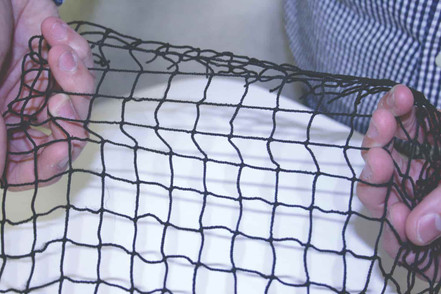
One effective bird control measure that is often used to limit the impact of gulls is bird netting. Properly installed over dump sites, aquacultures, ponds, courtyards and other expansive open outdoor areas, netting provides an effective barrier that prevents soaring gulls from landing. 
 
Stainless Steel Bird spikes can also be effective, as they deny gulls a place to land, forcing them to move on. The spikes typically come in 3-, 5- and 8-inch widths. They are a harmless bird control device and have been approved by humane groups worldwide--including the U.S. Humane Society and PICAS (Pigeon Control Advisory Service).
 

Spring Into Action - Bird Control Products

Monday, April 26, 2010 by Kathy Fritsch

Spring has sprung!  And with this, the return of migratory birds is one of the signs.  All across North American the songs of spring are being sung, almost overnight, by the singing birds that are filling the bushes and trees.  This is somewhat of an urgent matter for the bird.  Each species has its optimal time to arrive and set up their breeding areas.   Usually the strongest males arrive ahead to stake out their territory.  Many times it has been where they have nested previously.  The females then arrive; they pair up and start constructing their nests.  The eggs are incubated, the brood is raised and before you know it they are off and eventually it will all start over.

One of the most important responsibilities of people is to protect home and family.  If you are a business owner, protecting ones business is equally as important.  Such things are done as locking doors and windows at night for safety.  Maintain repairs such as painting or mending fences is needed from time to time.  Planting flowers and gardens in spring helps the aesthetics of the home and makes for a peaceful and enjoyable surrounding.  So why not safeguard your home and business against the pest bird?

Reasons for Bird Control

Each year many thousands of dollars is spent on repairing what the pest bird has destroyed.  The bird droppings can deface buildings causing wood, masonry, even steel to deteriorate.  The accumulation of droppings is very acidic and will corrode and damage roofs, clog gutters, discolor paint, ruin cloth and awnings.  Bird droppings can even short-out electrical equipment.  

A more important hazard to be aware of is the health hazard associated with bird droppings.  There are more than 60 transmittable diseases and dangerous parasitic organisms that can be transmitted to humans from bird droppings.  A common way of contracting a disease from the droppings is inhalation.  Histoplasmosis is a well documented respiratory disease that can be transmitted by inhaling a dust that has been created by disturbed dried droppings.

Safeguarding the home or business


If you are unsure as to which bird in your area is leaving the destruction of droppings in its wake, a little research could be done online.    If you are in need of ridding your property from any type of pest bird, most likely the nuisance will roll over to the neighbors.  It can only benefit you in the long run to involve the surround properties.  There are bird control services and management companies that can assist your needs.   There are many different types of bird control management systems.

Physical Bird Deterrents


A couple of examples of physical bird deterrents are bird spikes and bird control netting.  Bird spikes are extremely effective on the larger pest bird such as the pigeon or gulls.  Bird spikes can be placed on a flat or curved surface such as rooflines, ledges, eaves, window sills, I-beams and many more places.  The bird spikes work by deterring the bird from landing on the surface.  The nuisance bird will simple move on to try and find a better spot to land.  Bird spikes come in different textures such as plastic or steel.  There are a variety of colors including brick red, light grey, brown, black, tan and even crystal clear so as not to disrupt the aesthetics of the property.  Bird spikes are U.V. protected, sun and weather proof guaranteed for long usage.  They are easily installed using adhesives or screws.

Bird control netting
is used for total exclusion of pest birds.  It acts as a barrier between the pest bird and the area needing protection.  There is plastic netting that is used to protect blueberry bushes, gardens and fruit trees.  It can even be used on vineyards.  It comes in various mesh sizes and is quite effective for a large number of pest bird species including Sparrows, Gulls and Crows.  Plastic netting is lightweight making installation easy, yet durable.    Also on the market is heavy duty polyethylene bird netting that can block the unwanted pest bird from larger commercial and industrial areas as well as residential.

Visual / Sound Bird Deterrents


A visual deterrent is an object that scares the birds away when they see it.  Flash tape is an example of this.  Flash tape is made from an iridescent red foil mylar tape.   The birds react out of fear when they see the shiny reflective surface of the flash tape.  They will want to avoid the area as it frightens them and causes confusion.  If there is a breeze, the flash tape can also frighten the birds by the “crinkling” sound it can make.  It is ideal for use in trees or gazebos.  It can even work around the pool area and outdoor patios.

Bird sound bird deterrents such as a sonic unit can be easily installed and programmed.  It is ideally used in conjunction with the visual bird deterrents.  The sonic devices are programmed to play distress and predator calls.  There are over 20 different types of species of birds such as the pigeon, crow, starlings, grackles, woodpeckers and sparrows to only name a few.  When the actual pest bird hears the programmed calls, their natural instincts to flee the area make them do exactly that.  They think they are being alerted to danger, and fly away.   Sonic units can cover up to 6 acres.

Bird Repellents / Repellers

In large outdoor or semi  enclosed areas such as factories, warehouses, golf courses, parks, docks and marinas, misting systems can be very effective.    The bird repellent being sprayed is methyl anthranilate, a grape extract that is proven to be effective in repelling pest birds.  Birds cannot stand the sensation caused by the grape extract, irritating the trigeminal nerve and mucous membranes through the eyes, nose and mouth.    They will take flight and leave the area immediately.  The extract leaves no residue and is not harmful to humans or animals.

The same extract is used for goose repellent.  Geese have become a huge problem at golf courses, cemeteries and parks.  There is a good repellent spray that can be sprayed on the grass areas that give the geese the same sensation the misting systems do.  Geese will want to take flight from the treated areas.  One gallon can treat up to 16,000 square feet.

Putting bird control products into action in spring can be quick and easy.  Spending a short amount of time and relatively a little amount of money protecting your home and health is going to make the long days of summer more enjoyable.


Bird Pest Control in Schools

Tuesday, February 16, 2010 by Alex Kecskes
stop pest birdsPest birds love schools. For one thing, most school buildings have all types of ledges, nooks and crannies where they can roost. And schools provide an abundance of food sources. These include the huge food service operations, the bag lunches and snacks stowed in lockers, plus all the partially eaten food that's just waiting to be picked off in dumpsters and trash containers. Once lunchtime or recess is over, birds move in to claim what's left on the menu. Rock pigeons, European starlings and house sparrows most often invade schools. Bird pest control will keep them away.
 
After birds eat, they leave droppings. A single pigeon can excrete up to 25 pounds of droppings every year. This waste can infect children with up to 40 viruses and 60 transmutable diseases--including encephalitis or inflammation of the brain; salmonellosis, a form of food poisoning; and histoplasmosis, a potentially fatal respiratory infection. Younger children are especially vulnerable because they tend to be more forgetful about washing their hands. Clearly, bird pest control plays a key part of child safety in schools. Some suggestions:
 
Bird Spikes--These bird pest control devices work because they simply won't allow birds to land. Recommended by building contractors, architects, and municipalities, the blunted spikes are safe for birds and humans. (They've been approved by virtually every humane group in the world--including the U.S. Humane Society and PICAS.) Bird spikes come in rows of spike strips and are typically available in 3-, 5- and 8-inch widths to deter a wide variety of pest birds. Consider the Gutter Spike if you have birds or bird nests clogging gutters or drains. 
 
Bird Repellent Netting--This barrier method of bird pest control is ideal for a wide range of applications and can be especially useful in and around schools. The netting comes in various types and mesh sizes. For example, to exclude pigeons, one might use a 1-1/8” to 2” mesh size net. For birds like sparrows or starlings, a 3/4" mesh net would be better. The best repellent netting usually meets ISO 1806 protocols and will last longer. Look for U.V.-stabilized, flame resistant and rot- and water-proof netting. Incidentally, netting now comes in various colors to match a building's aesthetics.
 
Bird Slope--These angled PVC panels are super slippery to keep birds from landing. Ideal for use on eaves, ledges, beams and other similar niches. Bird slopes are easy to install and come in several colors to blend in with their surroundings. 
 
Bird Gel--When this sticky goop skins over, it leaves a tacky surface that birds hate. This bird pest control solution is ideal for use on ledges, conduit, pipes, beams and parapet walls. The gel lasts for about six months before it loses its tackiness. 
 

Bird Control Netting for Your Garden

Friday, February 12, 2010 by Kathy Fritsch
0 Comments »

Professional Bird Control Installers: How They Can Solve Your Pest Bird Problems

Friday, January 29, 2010 by Stephanie Fitzpatrick

BIRD DROPPINGS AND THE DAMAGE THEY CAUSE

Pest birds and their droppings cause problems for all types of businesses and property owners year round.  Not only are the bird droppings unsightly, but they create health and safety issues as well. 

Pest bird droppings cause millions of dollars in property damage yearly, and they can also spread over 60 transmittable diseases to people and animals.  Dealing with the maintenance costs and liability risks of bird feces can be expensive and time consuming.

There are many bird control products which can protect your property from all types of pest birds - permanently, humanely and discretely...thus eliminating ongoing maintenance and liability costs.  With over 100 different bird control products available, choosing which bird control product is right for your specific bird control problem can be overwhelming.  In many cases, more than one type of bird control product may be needed to deter pest birds away from your property.

There are Bird Control Experts who can help in choosing and installing a variety of bird control products.   These Bird Control Experts (or Installers) have been trained and certified in installation and treatment for various types of pest bird problems.  Common bird control products used are bird spikes, bird netting, goose repellents, sonic bird deterrents, visual deterrents, professional bird traps; pigeon deterrents and other types of bird repellents.

INTEGRATED PEST BIRD MANAGEMENT
Professional Bird Control Installers will know the right product (or combination of products) that will resolve you specific pest bird problem

Services offered by Bird Control Professional Installers includes:
*  On Site Evaluation of Your Pest Bird Problem.
*  Clean up of Debris and Bird Droppings.
*  Deodorizing and Disinfecting Surfaces and Affected Areas.
*  Installation of Bird Control Products.
*  Ongoing Maintenance and Follow-Up.
*  Guarantees on Products. 

Not all pest management professionals are bird control professionals.  To get a list of trained and certified bird control professionals in your area, contact Bird-B-Gone, Inc. @ 1-800-392-6915; nobirds@birdbgone.com; www.birdbogne.com.  Bird-B-Gone has a nationwide database of professional bird control installers and can recommend one in your area.

Ready to put a stop to your pest bird problems?  Contact a professional bird control installer today!