Availability of Bird Deterrents

Thursday, May 10, 2012 by Kathy Fritsch

get rid of birds with humane bird control productsHomeowners can take rest in the fact that they do not have to re-create how to keep birds away from home.  It has already been done.  Nor do you need to sit outside with a b-b-gun and shoot at the birds in the trees.  In the past, desperate people have used the b-b-guns.  They have also used shiny household items to distract the birds and try and scare them away, and beat on pots and pans to get them moving away.

There are devices now specifically used for bird control in the home.  Reputable bird control companies will help you guide your way through what is needed for your specific issues. 

It is not a matter of how to keep birds away from the home; it is the matter of why.  Pest birds only do what comes instinctual to them, which is finding a safe area away from their predators to roost and nest, and also the natural need to eat and poop.   Birds do not care if their eating disrupts and disturbs the home in any way such as making a mess of the trash in open trashcans.  They are also known to eat dog and cat food.  Bird poop is another story.  Not only is it unsightly and messy, but it can be dangerous.  The fresh poop whether it is on the grass or patio cement floor can be very slippery.  There are many incidents each year of slip and fall accidents from fresh bird poop.  If it is allowed to accumulate and dry up, it can also harbor many different types of fungus that can be transmitted to humans causing upper respiratory diseases.  Nesting is the natural action before breeding.

Bird deterrents on the market consist of bird garden netting, goose repellents, woodpecker repellents, bird spikes, and many more bird control products.  Whatever difficulty you encounter with the pest bird, there is absolute bird control for the problem. 

Do not re-create the wheel.  Take time to research the best bird control company that will work with you to determine your needs.


Backyard Bird Repellent Choices

Thursday, May 3, 2012 by Kathy Fritsch

get rid of birdsThe right choice of bird repellents is environmentally friendly, safe and humane, and cost effective.  The whole idea of repelling birds from your backyard is to do this as easily as possible.  Harming the bird does not have to be an option.  Often times you see in movies or on the news people shooting birds with a b-b-gun, which is not even legal.  Most migratory birds are protected under the Migratory Bird Treat Act that states that it is illegal to pursue, hunt, take, capture, kill or sell birds listed as migratory birds.


Migratory birds on the list include the Barn and Cliff Swallow, Downy Woodpeckers, sparrow, crow and Canada Geese, this just about sums up the birds that cause the most havoc in backyards across the nation.  It is not that these birds are not liked, especially the woodpecker.  It is a beautiful bird.  What most people do not realize is the woodpecker house damage that can be done if the woodpecker is left unchecked.  There are, however, goose repellents, woodpecker control and bird repellents that get rid of woodpeckers and the rest of the migratory birds.
 

To choose the right bird repellent, you must first determine the culprit, and then the location they are roosting and nesting. Is the garden being eaten before you have a chance to pick the ripe berries and vegetables?  Is the fruit trees infested with roosting birds?  Garden netting would be the choice.  Garden netting blocks the birds from reaching the fruit.  Garden netting can even help block areas including the eaves of the home, rooftops, balconies and garages.  Woodpecker netting would help save the side of the home from woodpecker house damage.
 

If you have a large backyard, and if there is any kind of water source, the Canada Geese might find your location quite easily.  The goose repellent can be a sonic sound device that broadcasts the distress and predator calls through speakers around the yard.  This will get rid of geese and keep them away.
 

Adding scare tactics alongside the netting and sound bird deterrents is a good idea.  This will keep the birds, any birds, from getting use to one particular bird control product.

Preventing Woodpecker House Damage

Wednesday, May 2, 2012 by Kathy Fritsch

get rid of woodpeckersWoodpeckers are a very familiar group of birds.  The ability to peck and drum into trees in search of food or excavate nest cavities is well known.  They prefer partially dead trees for nesting sites, but they will readily peck holes in wood structures in search of insects beneath the surface.  This includes the side of your home.

Woodpeckers also have characteristic calls.  They use their rhythmic pecking sequences to make their presence known.  The rhythmic drumming establishes their territory and also attracts and signals their mates.  Woodpeckers breed in spring, commonly laying 3 to 6 eggs.  Incubation is very short, lasting only 11 to 14 days.

If you live in an area that is known to have woodpeckers, it is best that you protect your property at the beginning of spring, or even a little before.  Woodpecker house damage is likely to occur especially if your home has a wood exterior or in suburbs near wooded areas or in rural wood settings.  You could have as many as six to eight birds drumming on your home during a season if you have not protected the home with some type of woodpecker repellent.

Bird Control can consist of a physical deterrent that would block the woodpecker from being able to drum and also objects that would frighten the bird away.  A combination of both is often suggested. 

There are woodpecker kits that contain bird control products such as visual bird deterrents to frighten the woodpecker away.  Scare balloons and flash tape are included in the kit.  They can be hung on the side of the home, or any building.  They are ideal for under eaves and can be easily hung in any tree as well.  When the woodpecker sees this visual distraction, they become confused and frightened, and will want to avoid the area.  Woodpecker bird netting along side the visual deterrents would bar the woodpecker from drumming on the side of the building.

The objective is to get rid of woodpeckers not to harm them.  Woodpeckers are classified as migratory and are protected by the Federal Migratory Bird Treaty Act. Woodpecker bird control is the best option. Bird netting and visual deterrents will do the trick.


Boating Bird Repellents

Friday, April 27, 2012 by Kathy Fritsch

bird free boatsWith spring in the air and summer around the corner, boating activities are being planned.   Boat owners are thinking about getting their vessels ready for the water, taking them out of storage and putting it in the boat slip for easy access.

There are safety checks and inspection lists to make sure that the boat is safe and ready to go out.  Engine checks, life vest counts, oil changes, canvas covers and the decks need to be cleaned, and an overall look at the boat to make sure no pests are living on board.  

The pests include the pest bird.  If there have not been an bird deterrents on board, there will most likely be bird feces and nesting materials left behind.  If there is pest bird material left behind, the cleaning is going to be much more extensive than anticipated.  

A broad-spectrum hospital grade cleaner will be needed to disinfect, clean and deodorize the surfaces that the bird droppings have soiled.  Once cleaned, bird deterrents will definitely need to be installed so that in the future when the birds return, they will not be able to make themselves at home again.

A visual and physical bird deterrent is what is required to get rid of the pest birds.  On docks and marina’s worldwide are bird repellers, some solar and some that strictly work with the wind.  Where there is water, especially the ocean, there is a breeze.  The repeller has spider like arms that come in 2’, 4’, 6’ and 8’.  The stainless steel “arms’ stem from a round PVC base that can be mounted on the railing or attached to a flat surface with glue or a sand bag base.  How it works is the spindly arms sway and bounce in the wind.  The movement creates a visual disturbance that frightens the birds away from the area.

The solar repeller works in the same way as the movement of the “arms” frightens the birds away.  The solar-powered bird repeller as 2.5-foot arms that spin continuously, even at night, using the solar power.

Both types of boat bird control will keep the boat bird free.


Plastic Bird Spikes are Green

Tuesday, April 17, 2012 by Kathy Fritsch

plastic bird spikes“Going green.”   You often hear this talked about.  People want to create a better world for themselves and future generations.  A few simple changes in lifestyle and anyone can make the move to greener living.   

For some, reducing the carbon dioxide emission by switching from passenger cars to buses, bicycles and trains is doing their part.  Gardeners add compost material which adds beneficial nutrients to the garden soil which improves the ability to retain water and it acts as a soil insulator.  

Use of bamboo products is considered greener because it promotes the reforestation and expansion of bamboo, which consume airborne carbon dioxide at a higher rate than other trees.

Then there are more mainstream ways to be greener such as recycling, CFL light bulb usage, and the switch to solar energy.

Bird control products that get rid of the woodpeckers and other pest birds around the home can also be considered green.  They are safe and humane for the bird and the homeowner and family.

Products such as plastic bird spikes are made of 100% post-industrial plastic materials.  Discarded scrap plastic is ground up and reformed into pellets, which then creates a strong eco-friendly bird repellent spike.  The plastic bird spikes can be applied to canopies, under eaves, fence lines, ledges, rooftops.  Installed on any flat or curved surface will keep the area bird free.  They especially prevent the bigger pest birds such as the pigeons, crows and seagulls from landing on the area that the spikes are installed.  They can be applied easily and quickly with either adhesives or screws, or tied into place.  Plastic bird spikes also come in a variety of colors to match the structures around the home.  When installed correctly, they are virtually invisible.  But, this type of bird spike is always green.

You don’t have to be a big company or a diehard environmentalist to make a change in the world.  Everyone can make a move towards greener living and a healthier world.


Springtime Bird Control for Canada Geese

Monday, April 16, 2012 by Kathy Fritsch

get rid of geeseSounds and sightings of Canada Geese mark the passage of time, the turning of seasons.  Early spring is nesting time for Canada Geese.  Geese sightings are becoming more and more common in neighborhoods and homes.  Geese love to eat the green grass.  They graze often near the grassy areas adjacent to water sources.  They build their nests of grass and twigs and build them on the ground.  Geese flock together in large groups, so you will not usually see just one goose, but the nuisance geese will flock with family and friends.


Large flocks of geese mean lots of goose droppings.  Lots of goose droppings means trouble.  This can be quite a problem when they concentrate on a specific area, such as a home residence or a community area in a neighborhood.  Not only are the droppings aesthetically unpleasant, but also if there is shallow water, the droppings will elevate the bacteria levels in the water.   This problem has been known to cause beach and public lake shut downs for the safety of its swimmers.


The best results for goose control is to use a combination of a few different bird control methods and to change tactics to prevent the geese from becoming conditioned to any one of the methods.


Scare devices are a very cost-effective form of goose control.  Sound devices will repel the geese from the area with the distress cries and predator calls that the units broadcast through its speakers.  These sound deterrent units are weatherproof and designed to deter the geese from large open spaces.  When the geese hear these calls, their natural instincts kick in and it is fight or flight.  They will want to flee the area.  The sound goose deterrents are easily programmed and installed. 


Other scare devices in conjunction with the sound deterrents will keep the geese away.  Mylar scare tape can be hung in trees, including fruit trees, balconies, patios and any overhangs.  The Mylar scare tape is often seen on boats, as well.  


Scare balloons and diverters are another choice that would get rid of geese.  The Migratory Bird Treaty Act protects Canada geese against lethal deterrents.  Safe and humane goose repellents are the right choice.


“Greener” Gardens with Bird Control Solutions

Saturday, April 14, 2012 by Kathy Fritsch

garden bird nettingIf you are planning a spring garden in your backyard, you are most likely looking at a more eco-friendly “green” garden.   A backyard buzzing with life and activity is a way to do your bit in promoting a healthy planet.  Organic gardening does not have to be difficulty.  Gardening is meant to be enjoyable and is a way to relax with a little bit of healthy exercise in the open air. 

Growing some of your own produce is also extremely rewarding.  Like anything that is done in nature, there are problems that can arise.  Pest birds can still be a nuisance and destroy your hours of labor in a short period of time.  But with preparation and right timing, even bird control measures can be “green.” 

When planning out the garden, it is also wise to plan out how to keep the pest birds away.  Clean and humane bird control should be a priority.  Bird control products that do not harm the bird, plants, household animals or people are desirable. Safe and humane bird control for gardens consists of bird spikes, bird spiders and solar bird repellers. 

The Bird Spike Solution

Plastic bird spikes are a humane physical bird deterrent that helps keep birds away.  Don’t let the word “spike” fool you into thinking it can injure the bird or the person installing the plastic bird spikes.  It is not the spike itself that keeps the pest bird from the area, but the amount of them.  The larger pest bird, such as the pigeon and crow cannot land where the plastic bird spikes are installed because they do not like the uneven surface and cannot comfortably stay there or fluff and expand their feathers.  They are made for outdoor endurance.  The bird spikes are U.V. protected and will not be affected by extreme temperatures of hot or cold.  Once they are correctly installed, which can be as easy as gluing them down, they are virtually invisible and will not take away from any aesthetic appeal from the home.  They also come in various colors to help with invisibility aspect of the bird spikes.  They also come in varying widths so that they can be easily installed on different size ledges, rooftops, fence lines, canopies and even under the eaves of the home.  Under the eaves is especially important to protect.  This is where the pest birds like to hide away from their predators and where they are likely to build nests.  Protecting this area before the nests are built is crucial.  It is illegal to remove nests once they are inhabited. 

The Bird Spider Solution

The bird spider is what the name implies.  A spider has many legs, and the bird spider does also.  The bird spider acts as a physical deterrent as well as a visual bird deterrent.   The bird spider’s “arms” move and bounce with the breeze. The diameter of the “arms” are from 2 foot up to 8 foot depending on the area you are placing the bird spider deterrent.  If placed on the roof top or skylight, the larger arms would be better protection.  If placed on top of a table near the patio or pool and hot tub, a smaller “arm” would work.  The spacing of the “arms” prevents the larger pest birds from landing, which is the physical deterrent in action.  The movement of the “arms” in the breeze is the visual deterrent which creates an uncomfortable area for the birds scaring them away.    The bird spider’s “arms” are very thin, stainless steel that stem from a round PVC base.  It is very unassuming and will not be distracting to people, only the pest birds.  Bird spiders are often seen on boats and docks.  There is a special base made for boats which makes the bird spider quite adaptable to different environments.

The Solar Bird Repeller Solution

The solar bird repeller is similar to the bird spider in that the repeller has an “arm”.  The “arm” in this case is a 5’ telescoping “arm” that is mounted on the repeller base and continuously spins.  The birds are frightened by the constant movement and will want to avoid any area where the bird repeller is in action.   Again, you will see this often on docks and boats, but is ideal also for roofs, A.C. units, skylights and chimney caps.  Again, the top of the roof and the ledges are where the bird is going to give itself that “bird’s eye view” to determine the vicinity for food.  Keep them off the high areas around the home, and you’ll keep them out of your yard all together.  The solar bird repeller has an on/off switch and can be working all evening long.  Once the solar aspect of the bird repeller is charged fully, it will operate during the dark times which are when the birds will try to hide away from their predators.  With bird control measures in place, they will be forced to find another location.

Believe it or not, protecting all these areas of the home will protect your whole yard, especially the treasured garden.   Birds want to find roosting and nesting areas close to their food source.  If they are forced to find alternative housing options, they will be forced to find a different food source as well.   Safe and humane bird control solutions are another way to ward off the pest bird and help maintain a “green” garden.  Be a successful backyard gardener and show off that green thumb. 


Why Bird Proofing the Home and Boat in Spring is Important

Tuesday, January 24, 2012 by Kathy Fritsch
get rid of birdsDeterring pest birds in spring is a smart move.  The longer the delay, the more likely the pest bird is going to build its nest.  Once the nests are built and active it is illegal to remove them according to the Migratory Bird Treaty Act of 1918.  Even if the nests are in inconvenient locations or underneath the nest are piles of poop, it is still illegal.  Preventing pest birds from making your home or boat their home is as easy as applying bird control measures that will get rid of the pest bird and keep them away.  There are different ways to achieve the goal of getting rid of the birds.   There are visual bird scarers that frighten away the pest bird, physical deterrents that block them from the location and bird sound deterrents that trick and scare the pest bird into thinking they have come in contact with their predator or they are hearing distress calls from their own species.  There is a bird deterrent for every area that may become infested by the spring migratory bird.

Visual Bird Scarers

One bird that is a nuisance in spring is the woodpecker.  They attack the side of your home or other buildings, under eaves and in your trees.  There are woodpecker kits that contain visual scare devices that can be easily hung in the susceptible areas.  A vinyl balloon that is of bright colors and has a reflective surface can be hung in fruit trees, or any tree that the woodpecker and other pest birds are flocking to.  The scare balloon has an imprint on the side that appears to be a predator’s eye to the birds.  The colors and the reflective shiny surface cause a visual disturbance that the birds will want to avoid. They are easily installed by simply hanging them with twine.  They can even be partially filled with water and float in the backyard pool.  These scare balloons are often seen attached to post surrounding water holes on golf courses and parks to keep the pest duck away.  They can also be attached to the high points on a boat to keep the seagull from landing and making a mess with their droppings as they perch and roost or nest.

Flash tape is another type of visual bird deterrent that is included in the woodpecker kit.  Flash tape is a very effortless way to scare the birds away.  Flash tape is an iridescent red Mylar film.  When it moves in the breeze the sun reflects off the tape and creates a visual distraction zone to the bird.  It also has a crinkling sound that is annoying to the bird as well.  Flash tape is easily applied to trees, balconies, patios, overhangs and, again, the boat.  

Springtime brings about outdoor gardens and entertainment in the backyard.  A hawk decoy is a visual deterrent that can be place in the yard and garden.  The hawk is a life-like red-tailed decoy that scares birds away from these types of open areas.  The Red Tailed Hawks are known to hunt during daytime hours, so it is a very identifiable predator to most pest birds.  The hawk decoys are long lasting, made of durable plastic, that is meant for outdoor use.

Physical Bird Deterrents


A bird spider is both a visual deterrent as well as a physical bird deterrent.  A bird spider has “arms” like the arms of a spider, but the bird spider arms bounce around and sway with the breeze.  The movement of the bird spider is what creates the commotion that the birds do not like, and they will fly away from the area.  There are different sizes that will work in various areas around the home and boat.  The sizes are 2’ arms, 4’, 6’ and 8’.  The stainless steel arms stem from a round PVC Base.  There are special bases that are used specifically on boats that can be mounted on masts or spreaders.  Other places bird spiders can be used are near pools and Jacuzzis, rooftops, air conditioning units and skylights to only name a few.  

Another bird control product that is similar to the bird spider is a solar bird repeller.  The idea is the same, moving “arms” that distract and frighten the birds away. The solar bird repeller has a 5-ft telescoping “arm” that spins continuously.  This would keep the bird away day and night.  Getting the solar bird repeller to work properly only takes a full day of sun to charge the rechargeable batteries that keeps the power stored during dark periods.  The solar bird repeller is very easily installed and can be secured to a flat or angled surface.  They are also ideal on boats, especially those boats that are docked in the water.  Often times the repellers are mounted onto the edges of docks themselves.  You can also mount them onto roofs, skylights and air conditioning units.  

Bird Sound Deterrents


Bird sound deterrents are devices that are designed to get rid of pest birds in large open areas.  A large backyard with a beautiful garden would be the perfect instance to use a bird sound deterrent.  A bird sound deterrent can be programmed to play over 22 different types of species.  The sounds that are played are distress sounds and predators calls.  When the birds hear these sounds and calls, their natural born instinct is to flee the area.  Common birds that can be programmed are woodpeckers, pigeons, sparrows, crows and starlings and grackles.  The bird sound deterrents are sun and weather resistant for outdoor use.  With adaptable speakers, the coverage of bird control is up to 5-acres.  A lot of families are fortunate enough to live in areas with wide open spaces and sometimes even ponds in the backyards.  The bird sound deterrent is ideal in this type of location.  It will even keep the geese out of the pond. If the geese are the main problem in the area, there is a bird sound deterrent that is made specifically to keep the geese away.

Bird proofing the home and boat, small yards and larger areas is a safe and humane way to keep the birds away so that when spring is sprung, the bird deterrents are in action and the bird dropping mess stays away from your area, and outdoor activities are clean, safe and peaceful.

The Need to Control Birds

Thursday, January 12, 2012 by Kathy Fritsch
Get rid of birds with bird control products“Free as a bird.”  That is a very common quote.  What does it mean?  When it comes to pest birds it means the bird has no boundaries.  It means the pest bird can fly and perch, nest and roost wherever they find contentment.  Creating an uncomfortable area with bird control is the safe and humane way to get rid of birds.

Reason for Bird Control

One of the main reasons it is important to put bird control into action is that pest birds can do a lot of damage.   Birds like to roost and nest in the trees, roofs and eaves.  The destruction they leave in their wake can be quite expensive and put you at a health risk.   What they leave behind are their white pasty droppings.  Accumulated bird droppings are known to harbor over 60 different types of viral, bacterial and fungal diseases.  The diseases transfer to humans and can generate seriously illnesses.  West Nile Virus is one such illness and can cause severe neurological effects that may be permanent.  Cryptococcosis and Histoplasmosis are two yeast-like funguses that can be acquired from the bird droppings.  The bird droppings are also highly acidic and corrosion will take place wherever they fall.  They will corrode paint, wood, steel and even concrete.   You can imagine the time and cost to replace or repair the damaged areas.  Bird control will not only keep that unsightly mess from existing, but will also protect against the development of health problems.

How to Bird Proof

It is first necessary to assess the property that is being invaded by the birds.  Are there trees that are full of birds?  Are they perched on top of an awning in wait of food spillage?  Maybe the problem area is under the eaves.  No matter where the pest bird is a problem, there are bird proof methods to deter the birds and soon they will fly right on over and beyond your property.    There are basically three types of bird deterrent methods.

Physical Bird Deterrents


A physical bird deterrent is simply a bird control product that blocks the bird from its desired landing spot.  Bird spikes are a good example of a physical bird deterrent.  Bird spikes are very successful in keeping away the large pest birds such as pigeons, crows and gulls and keeping them from perching, nesting and roosting.  Construction grade adhesive will secure them down to concrete, steel and brick.  Screws can be used to secure them to wood surfaces.  They are virtually invisible when installed correctly.  What helps with the aesthesis as well is the plastic bird spikes come in various different colors to match their surroundings.  They also come in various widths and lengths that fit it just about any area that has a flat or slanted surface.   They are especially ideal for use on a patio covering where there is al fresco dining or even your own home patio coverings.

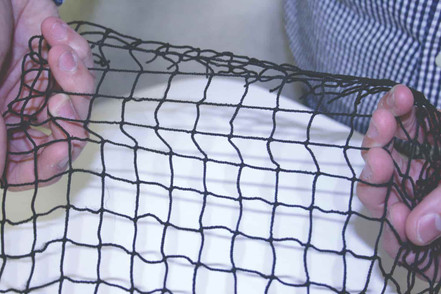
Bird netting is another physical bird deterrent that works especially well for protecting vegetation.  Many vineyards use bird netting to protect the precious grapes from being eaten by the birds.  It is recommended that you suspend the netting over the vines by at least 6 inches.  This prevents the birds from landing on the mesh and putting their beaks through the mesh to get at the fruit.  Bird netting is also proven to deter the pest bird from home gardens and fruit trees.  Heavy duty bird netting is ideal for warehouses, garages, rooftops, factories and bridges.  Heavy duty bird netting is professional grade bird netting.  Most bird netting is made of a U.V. stabilized mesh, rot proof, water proof and flame resistant.

Visual Bird Deterrents

Visual bird deterrents create an optical illusion that scares the pest birds away from the area.  Visual deterrents such as a diverter or scare balloons have a printed design on the sides of them which, to a bird, look like a predator’s eye.  The mock predator eye design on the visual deterrents confuses and frightens the birds.  In turn, they fly away and will want to avoid the area.  They can be hung along the side of homes, buildings, in trees and even on boats to get rid of the pest bird.  Flash tape is another visual deterrent that can quickly be applied.  It is a iridescent red foil Mylar tape that that can be cut into strips and attached to trees, outdoor patios and pool areas to name only a few places.  The tape moves in the breeze and makes a crinkling sound which simply frightens the bird away.  Using the same principle, solar powered bird repellers can be placed on signs, streetlights, A.C. units and swim platforms.  The solar bird repeller uses movement to scare away the birds.  It has 5-foot telescoping “arms” that spin continuously.  The rotating arms move even at night using solar power, but it also has rechargeable batteries for operation during dark periods.  The repeller is easy to mount and can even be mounted on an angled surface.

Sound Bird Deterrents

Sound bird deterrents are for large open spaces such as courtyards, warehouses, patios, backyards and even golf courses.  A sound device plays distress and predator calls.  Like the visual deterrents, the sound deterrents, too, scare away the birds.  The units can be programmed to broadcast over 22 different types of bird species.  If you are unsure as to which bird to deter, there is a “general” setting that covers a multitude of bird species.  There are additional adaptable speakers that will cover up to a six acre area.

Physical, visual and sound deterrents get rid of birds in unwanted areas.  There is no harm done to the bird or installer.  Using humane bird control methods is abiding by the law.  It is unlawful to remove birds once they have built a nest.  It is important to start thinking of installing bird control products in early spring before they make themselves at home at your place of business or home. 


High Tech Bird Deterrents Needed for the Bird Brain

Monday, January 9, 2012 by Kathy Fritsch
get rid of birds with bird deterrentsMost people will agree that pest birds can be annoying and loud, destructive and sometimes hazardous to one’s health.  Because of the problems the pest birds can cause, people have devised clever ways to keep the birds away and to keep them from landing, nesting and roosting on valuable property, businesses and homes. Bird deterrents range from being as simple as flash tape or as high tech as solar and electric systems. 

Man will always outsmart the bird, however.  With modern technology the methods are becoming more and more sophisticated.  Electric track bird repellants rely on electrical conductivity to discourage pest birds from landing on a surface.  The electric track systems deliver a very mild and harmless jolt of electricity which only irritates the bird enough to send him flying off to find a more comfortable location.  The electric track systems can be mounted on signs or billboards, rooftops and ledges.  They can be installed on any flat or curved surface.  The shock track is made from a flexible U.V. protected PVC base that conforms easily to any straight surface or curved area. The birds know it is there but with the discreet design of the system and the different colors that the systems come in makes this high tech bird deterrent virtually invisible to the naked eye from the ground.  Where aesthetics are a priority, there is a flat track that does the same thing as the electric track system, but the flat track, at its highest point, only measures ¼” in height. 

Another type of bird deterrent that is above and beyond the tried and true methods is the bird spider.  The bird spider has batteries, but it also runs using solar power.  You might have seen the bird spider on television on Ask This Hold House.  The bird spider is ideal for any flat surface such as skylights, air conditioner units, light posts, signs and rooftops.  The spider’s arms come in sizes from 2’ up to 8’ in length.  All sizes are portable so they can be removed and stored away easily.  How the bird spider works is the “arms” sway and bounce in the breeze.  The movement of the arms is what irritates the birds because the movement does not allow them to land on the surface near the bird spider deterrent.  They will not want anything to do with the movement of the spindly arms.

The tried and true methods still stand today, however.  Bird scare deterrents such as flash tape, scare balloons and bird diverters still deliver the punch to the bird’s senses.  Bird spikes and bird netting is especially still a highly effective way to block birds from unwanted areas.  Bird spikes and bird netting is especially effective for large warehouse settings and high buildings where the birds prefer to land.

No matter which method you choose, make sure you purchase the bird deterrent products from a reputable company that has excellent customer service and access to installation experts.  If there are any questions about any products, getting a quick and efficient answer will save company time and protection from pest birds that will last.  Once the products are in place, whether you choose the higher tech systems or the tried and true, rest assured the birds will be flying on by to find another location to call their home.


Golf Course Protection using Bird Deterrent

Monday, December 19, 2011 by Kathy Fritsch
Get rid of Geese

Golf and nature go hand in hand.  Golf is a game enjoyable by the beautifully sculpted designs and landscapes.  Golf courses employ around the clock maintenance to keep the greens green, fairways mowed and the scenery spectacular.   Thousands of hours of maintenance are put into golf courses to keep them in top form. 

There are a few incidents that can ruin a golfer’s game; bad shots, which nobody can control but the golfer his or herself, and birds.  While birds are part of a healthy ecosystem, golf courses attract more than their fair share of them.  Larger birds such as geese and ducks find the man-made water hazards not at all a hazard.  They find the water hazard a perfectly fine pond to spend time in.  If bird control is no where to be seen or heard, the population of these geese and ducks will skyrocket in no time.  Not only are they migratory, but they prefer to nest in the same place every year.  Once these nuisance birds make the golf course their home, it can be difficult to take back the territory.

Taking control is important.  If not, the bird’s unsightly droppings will be all over the golf course and create a hazard of a different kind.  Pest birds and their droppings harbor many different transmittable diseases.  The last thing anyone needs is to bring back to the home anything other than a nice low golf score.  Since golf is a sport that can be played at any age, there are a lot of elderly golfers.  If they brought home the diseases to family members that are ailing, especially with any immune issues, it could be a serious issue.  Where there are roosting and nesting pest birds, there are also parasites and bugs.
The importance of bird control is vast.  The solutions are simple.  There are various methods for repelling the birds from golf courses.   There are technologies that include sound deterrents and visual deterrents.   To achieve total success in bird proofing the course, combinations of bird control products and methods is suggested to produce the greatest results.

Sound Deterrents

Sound deterrents use the natural sounds of the birds to scare them away.  The sound bird deterrent units have speakers that transmit sounds of the pest bird’s predator calls and their own species of distress calls.  There are sonic sound deterrents that are made to get rid of only geese.  The other sonic sound deterrents have a variety of birds programmed into the unit.  There are over 20 different species that can be deterred using the sonic sound deterrent.  And many times people do not even know what bird is causing all the havoc, so the sound deterrent units can be programmed to play calls of a variety of birds to scare them all away.  The sonic sound deterrent specific to geese calls is ideal for the golf course.  The unit covers a lot of ground and there are satellite speakers included, and more speakers can be purchased to cover even larger areas.  The units themselves are constructed of a very rigid material specifically suitable for outdoor use.  The sonic sound deterrents are weatherproof and very easy to use.  There is an LCD screen that helps guide the user to program the unit without difficulty.  You do not have to be a computer scientist to work the unit even though ornithologists and major universities developed this latest technology in bird control.  They can be programmed to play the distress and predator calls during the day or night or both, whatever the need might be.

Visual Bird Deterrents


A visual bird deterrent along with the sound deterrent will increase the successfulness of getting rid of the pest bird and keeping them away.   The water hazards are a perfect place to place the visual bird deterrents.  By placing scare balloons and diverters sporadically around the water hazards creates an invisible barrier that the birds will not want to get into the middle of.  Scare balloons are exactly what they sound like.  They are balloons made of U.V. weather resistant vinyl.  They are about the size of your average beach ball.  The design on the scare balloon, however, is not striped, but it has a very shiny reflective surface with what the birds believe to be a predator eye.  This colorful “mock” predator eye imprint and the reflective surface is what is disturbing the bird’s visual sense which in turn scares them away and keeps them from returning.  The diverters are similar in effect, but they are smaller than the scare balloons.  The diverter has the same shiny reflective surface and the “mock” predator eye.  They are constructed of a durable and rugged plastic.  The plastic bird diverters are often seen in fruit trees and any other trees the birds tend to flock to.  Having the diverters in a few trees, and having them surrounding the water hazards along with the scare balloons will most definitely create a visual disturbance zone that the birds will want to keep flying on by.   To place the scare balloons and plastic bird diverters around the water hazard is as simple as placing posts or stakes and attaching them using twine.  The birds will not like the movement in the breeze either.

Sound deterrents coupled with visual bird deterrents will keep the pest birds away, but hopefully not all “birdies” or “eagles.”  And wouldn’t it be nice if the bird control products would keep even the double bogies away?


Bird Free Venues

Tuesday, July 26, 2011 by Kathy Fritsch
get rid of birdsSummer is a busy time for planned activities.  Many non-profits hold their fundraisers, family reunion gatherings are taking place and many other activities are taking place that are at venues with outdoor seating.  Unfortunately, not only are people out and about but the pest bird is alive and well and gaining momentum during this time of year also.  Their roosting and nesting activities are in full swing. Where no bird repellent measures are in place, they are enjoying a bounty of food being left outside or dropped onto the ground.  They even scavenge from open trash cans and open trash bin areas.  Home gardeners beware.  If there is no protection, there will be no produce for you to eat.  The pest birds will get it all.

There are many bird repellents that can be put into place where the public will not even know they are there.  Bird repellents can be safe and humane for all and not disrupt the venue in any way.  The objective is not to harm the bird but get rid of the bird and keep them away.

How do you choose the right type of bird repellent? There are many bird repellent products to choose from.  There are visual bird deterrents, sound deterrents and physical bird deterrents.  Using a combination of tactics will secure ultimate security and make sure the pest bird doesn’t get close.

Visual Bird Repellents

Visual bird repellents keep the birds away by scaring them away.  They see something that is disturbing to them, and their natural instinct is to flee the area, which is what they do.  The patrons will also be able to see the visual bird repellents as well.  They can be disguised amongst the trees and some can act as decorations.  Flash tape for one, if it is hung in strips along a patio or balcony or even a gazebo, the red shiny ribbon moving in the breeze is somewhat festive.  It distracts and irritates the bird because it is shiny.  The sun also when reflected off the ribbon bothers the bird’s visual sense and they will want to fly away from the distraction.  The flash tape gives off a slight crinkling sound that also annoys the bird’s auditory sense.  It is a very inexpensive way to keep birds away from certain areas. 

Scare balloons are a more pronounced type of visual repellent.  Since the balloon is inflated to about a 16” diameter, there is no way it can be hidden.  When filled with a little water so as not to blow away, the scare balloons can be place in ponds, pools and hot tubs.  Guests do not need to know that it is actually a bird repellent.  The simple design on the shiny balloon to the bird, only, looks like a predator’s eye.  The movement of the scare balloon repellent along with the shiny vinyl and the design will keep the birds away from any water source. 

Bird diverters which are not inflatable, but flatter and smaller have the same design as the scare balloons.  The bird diverters are great for hanging in trees, especially fruit trees.  Bushy trees where pest birds flock too to hide from their predators will be in for a shock when there is a bird diverter hanging there.  They will think there is already a predator taking residence in the tree and flee the area.

Sound Repellents

Bird sound repellents work by scaring the bird using their auditory senses.  Sonic bird repellents broadcast distress cries and predator calls in intervals.  Most sound repellent units can be programmed to play over 20 different species of pest birds.  A sound deterrent would be ideal for use at night in certain venues, especially at places with a lot of outdoor vegetation and structures where the pest birds might flock to in the evening to roost.  The problem with letting them roost in the evening, although they might be gone when there is activity in the daytime is because they leave behind quite a mess.  Bird droppings are very unpleasant to look at, but more importantly than that is they are very hazardous to be around.  Fresh bird droppings are slippery and the light color makes it difficult to see when there are groups of people and the ground is cement or grass.  There is reported slip and fall accidents each year due to bird droppings.  Repelling the pest birds in the evening using a sonic sound repellent will eliminate the need for clean up in the morning.

Physical Bird Repellents

Physical bird repellents are needed when it is mandatory to block birds entirely from landing on or entering a specific area.  For outdoor venues that have been discussed, it is almost impossible to block them completely.  That would create an indoor effect or a caged feel if bird netting were to be place around the entire area.  Bird spikes and electric tracks would be a good repellent in this type of situation.  Bird spikes come in either stainless steel or plastic.  Both are virtually invisible to people on the ground when installed correctly.  Plastic bird spikes come in a variety of colors such as brown, black, tan, brick red, light grey and crystal clear.  Using plastic bird spikes will enhance the invisibility feature.  Bird spikes are ideal for use along any ledge, roof, windowsill, canopies and awnings.  Any place that is flat or curved, bird spikes can be placed.  This type of physical bird repellent will persuade the bird quite clearly to keep on moving.  If they are not allowed to land or roost, they will be looking for different areas to go to. 

The same is true for electric tracks.  Electric tracks are even more unnoticeable as they do not have spikes but only a ¼” height at its highest point.  The mild electric shock that the bird receives when trying to land will not harm them in any way.  Neither will the bird spikes.  The bird spikes have blunted ends so as not to pierce the bird or the person installing them.  The electric track is harmless to the bird, but annoying enough to create an atmosphere where they will not want to stick around.

Being proactive in initiating bird repellents will create an environment free of pest birds, and make your venue more accessible and agreeable to potential guests.  With a little foresight and planning, catching pest bird problems before they become huge problems will save many hours of clean up, ensuring many hours ahead of a bird free environment.


Bird Deterrents as Part of Your Bird Control Management

Monday, July 25, 2011 by Kathy Fritsch
bird deterrentsTo understand bird repellents, you must first have an understanding of the bird’s brain.  A daily occurrence for the bird, and its national instinct, is to hunt for food and hide from predators.  Most birds are very intelligent.  Anatomically, the bird has a relatively large brain compared to its head size.  Auditory and visual senses are well developed.  The beak and feet are both used extensively to manipulate food and other objects.  Visual signals as well as calls and songs are how birds communicate.  The response to sensory stimuli is a way to test intelligence.  Bird intelligence has been studied throughout the world.  Counting is one sign of intelligence.  Studies have been done and it has been found that crows can count up to 3.  Parrots can count up to 6.  Chinese fisherman would give cormorants a reward for every eight fish they caught.  Cormorants were able to count up to eight.  Birds have been trained to distinguish and recognize complex shapes using association with food and visual or auditory signals.

The bird’s survival skills are also extremely keen.   Their trigger for survival is fear.  This is why that look for out of the way places to roost and nest such as the eaves of a building, high up in trees and high up in rafters.  Their objective is to conceal their existence from their predators. 

Working with the bird’s weaknesses, such as fear, is what is going to be successful when trying to get rid of birds from living environments.  Living environments that need to be protected are areas where damage can be detrimental to structures and humans.  This can include homes, golf courses, parks, waterfronts and even boats.  Blocking the bird from areas is one way to create the barrier between the pest birds.  Another way is to scare the birds away.  Bird control management has also been studied and many forms of demonstrated bird deterrents have been produced. 

Bird Wire


A bird wire system is effective in deterring larger pest birds such as pigeons, crows and gulls.  It is important to place bird control management where pest birds perch, even if it is not where they will roost and nest.  Birds do not perch on rooftops, parapet walls, rooflines, signs and beams to admire the view.  They roost and perch to gain a view of a possible food and water source.  A bird wire installed in these areas will create an unstable landing surface for them and they will be forced to find a better spot to perch.  It is a very low profile way to manage the pest bird infestation on office buildings, hospitals and other business buildings where the public may congregate.  The bird wire is a nylon-coated stainless steel wire that you suspend between a series of poles.  The wire is then attached to springs.  When the birds attempt to land on the wire, the spring motion makes it a very unstable landing environment for them.  The pest birds will be forced to move onto a different and more comfortable location.

Bird Spider


Bird spiders are often seen on boats, docks, boat covers and canvases as a means of bird control management near marinas.  They can also be applied to rooftops, on top of signs, light posts, skylights and air conditioning units.  Bird spiders are a visual deterrent that scares larger pest birds away.  The fear for the bird is the movement of the” spider like” stainless steel rods protruding from the U.V. protected polycarbonate base of the deterrent.    The bouncing movement of the bird spider “arms” as they sway with the breeze is what the birds are scared of.  They will not want to come anywhere near where this movement is.

Visual Bird Deterrents


Visual scare bird deterrents are as simple as flash tape, scare balloons and diverters.  Flash tape is a roll of tape that is not sticky but is made from an iridescent red foil Mylar tape.  It scares the birds when they see the shiny reflective surface.  They become confused and frightened and want to avoid the area.  When the flash tape moves in the breeze, the crinkling sound the tape makes also frightens the birds away.  The scare balloons are balloons that inflate to 16” in diameter.  The scare balloons come with decals that have a foil center with bright colors around it.  The mock predator eye is what scares the birds away.  When they see the balloon and its slight movement and its reflective surface, like the flash tape it confuses them and scares them away.  Bird diverters work in the same manner as the balloons, except they have a flat surface, they are not inflated.  They do have the mock predator eye on the sides the same as the scare balloons.

Protecting structures from pest birds is a human right, and it can be done humanely and safely.  There is no reason to put up with the preventable nuisance the pest bird can cause.    Bird control management in place to block or scare the birds away is the efficient way to get rid of birds.
 
.


Bird Repellent Choices

Tuesday, December 21, 2010 by Kathy Fritsch
get rid of birdsWhether it is winter or summer, pest birds are quite a nuisance.  In summer, birds are out for all to see, roosting near food sources, which may include a flourishing garden in the backyard.  Winter time, the pest birds will want to hide away from the elements and their predators.  Any opening on the roof or under the eaves of the home is fair game to them, unless there are bird repellent products in place.

When bird control products are absent from the home, damage to the home, and possibly to your health is a probability.  Homeowners spend hundreds of dollars cleaning up after the pest bird and in repairs due to damage.  There are many affordable and easy bird repellents that will keep pest birds off your home and out of your garden.  Investing in bird repellent products will save you money in the long run.

Bird Repellent Choices:

Visual bird repellents cause a visual distraction that scares the birds away.  Flash tape is a visual bird deterrent that can be used in backyard areas to keep pest birds away from garden plants and seeds.  The flash tape can be mounted on poles in your garden area. The breeze moves the strips of shiny Mylar tape.  The shiny surface of the flash tape also reflects the sun causing visual irritation to the pest birds keeping them away.  There are also balloon repellents and scare diverters that also cause a visual annoyance to the pest birds.  The balloon repellents have reflective eyes printed on the sides of them that cause a visual diversion area making the birds want to leave the area.  Bird diverters also work well hanging in the fruit trees where the birds love to roost.  They will be forced to find another location to roost and search for food.

Physical bird repellents are bird control barriers that keep pest birds from landing and roosting.  These can include bird netting, bird spikes and bird repellers. Bird netting is used to keep out pest birds from areas such as under the eaves of your home.  You can install bird netting at an angle from the roof edge to the side of your home to protect it from swallows and woodpeckers as well.  Netting is also used to protect bushes such as blueberries. Bird netting is strong yet lightweight making it easy to install.  The netting comes in different mesh sizes to keep all types of pest birds at bay. It is virtually invisible once installed in the fruit trees or berry bushes making is a very low profile means of protecting your home from the feathered foe.  Bird Spikes are easy to use and install and are also a very economical way to keep birds like pigeons and seagulls off your home.  You simply glue or screw them to the edges and peaks of the roof to keep them off.  Patio covers and other flat surfaces such as fences are also target areas that bird spikes work well.  Bird repellers are a unique physical bird repellent. These repellent units “sweep” birds away with rotating “arms.”  They are solar powered with rechargeable batteries to run even during dark hours.  The repellers are ideal for keeping larger birds off of patio furniture, patio covers.  They work extremely well on docks and boats and can be a captain’s best friend.

Sonic repellents work by scaring birds away with the sounds of their own predators and distress calls.  The sounds are played in short intervals from the speakers on the sonic units.  The sounds trigger the bird’s natural instincts to danger and they will fly away.  Sonic sound units are water proof and easy to use and program.  There are 22 target birds that can be programmed such as the pigeon, sparrow, crow or whatever bird is causing the problem.  The unit will play a species specific distress call and predator calls that will scare the birds. 

It is common and sometimes necessary to use more than one bird repellent product to insure total exclusion of the pest bird.  Whether it is visual repellents along with sonic units, or sonic units with physical deterrents, acquaint yourself with the culprit, and devise a bird control strategy that best fits your situation. 


Winter Backyard Pigeon Deterrents

Friday, December 10, 2010 by Kathy Fritsch
get rid of pigeonsThe feral pigeon puts a capital “P” in the term Pest bird.  Large numbers of the pest pigeon appear in almost every city across the country.  Pigeons are monogamous birds.  Early winter is when the single pigeon starts a courtship with his future mating partner.  Late winter is when they start to build their nests followed by their first brood in the spring.  In warmer climates, breeding can occur year round.  Winter is not the time for dormant attention to backyards.   Large numbers of pigeons creates a large amount of pigeon poop.

Pigeon poop contains a high amount of uric acid which is extremely corrosive.  Pigeon poop is also full of fungal agents, bacteria and ectoparasites which can be a serious health threat to humans.  Millions of dollars in damage is reported each year related to pest bird droppings.  Pigeon poop and nest debris can damage buildings, back up gutters and drains and cause slippery areas on walkways causing slip and fall incidents that could otherwise be avoided.

Bird control products can reduce, if not eradicate the problem caused by the pest pigeon.  Bird deterrent spikes are among one of the most successful bird control products that will get rid of pigeons and other pest birds.  There are flexible stainless steel spikes and plastic bird spikes.  They work by creating an uneven surface discouraging the pigeon from landing.  They are ideal for ledges, chimneys and patio covers.  They are easy to install and are a safe and humane way to get rid of the pest pigeon from landing on the home and backyard structures.  

An equally effective means of deterring the pest pigeon is bird repellent netting.  Bird repellent netting can be installed in courtyards, rooftops, garden plants and fruit trees.  Bird netting is an impenetrable barrier against the pest pigeon.  The polyethylene, U.V. protected mesh comes in a variety of mesh sizes for protection against the smaller pest bird such like the sparrow as well as the bigger pigeon. 

Both bird spikes and bird netting are virtually invisible when properly installed.  It will not only protect your home and backyard during the winter months, but many seasons to come.  Protecting your home from the damages the pest pigeon can leave behind will not only gain you peace of mind, but save you dollars annually in repair and clean-up costs.

Bird Repellents for Winter Gardens

Thursday, December 9, 2010 by Kathy Fritsch
get rid of birdsThere may be snow on the ground and the trees may be bare.  This doesn’t mean that a garden has to go completely dormant.  You can create a winter wonderful with stunning evergreens and berry plants to bring lots of color.  In Zone 3, the American Cranberrybush (Viburnum trilobum) will sport beautiful red berries, while in the spring it sprouts clusters of white flowers.  Arrowwood (Vibrunum dentatum) is another berry that is bluish-black with clusters of the dark berries.  They also produce small white flowers in the spring.  There is an array of berry and winter fruit bearing plants.  What comes along with the plethora of winter fruits and berries?  Pest birds!

How best to keep the birds away from your winter garden? The same principles apply in winter as in spring and summer.  Visual bird repellents and physical bird repellents will get rid of birds and keep them away for many seasons.

Visual Repellents

What scares a bird?  Nature has decided this best.  All birds have the fight or flight instinct.  What scares a bird into fight or flight?  Predators!  A simple bird repellent that can hang in a tree or from a patio cover and even on the eaves of the home will scare the pest bird away.  Bird diverters and bird balloons both can be hung around the home.  Bird diverters are made of a durable plastic.  The plastic is very shiny creating a reflective surface.  This reflective surface works with the mock predator eye design on the diverter.  Seeing this design and the movement of the shiny surface tricks the pest bird into believing it is looking at the eye of its predator which frightens the birds away and they will want to avoid the area.  Scare balloons work with the same rule.  Scare balloons are the same size as an average beach ball.  The scare balloon also has the shiny surface with the mock predator eye printed on the side of the balloon.   They are made of vinyl that is U.V. and weather resistant.  They even look decorative when placed in a pond, hot tub or pool. 

Physical Repellents

Bird netting is a common physical bird repellent used in the garden.  Bird repellent netting will not frighten a bird, but is considered a physical barrier.  Bird netting blocks birds from a variety of areas such as fruit bushes and trees, berry bushes, garden plants, and will even be a bird barrier in areas around the structures of garages, sheds and barns.  Bird repellent netting comes in a variety of mesh sizes.  It is a very low-profile bird deterrent.

Bird spikes are another proven physical bird repellent that keeps the birds from roosting on structures in your yard.  If it is not comfortable to land, the pest birds fly on by.  That is exactly the intent of the bird repellent spikes.  The birds will not land on the uncomfortable, uneven surface where they cannot move about and ruffle their feathers.  Plastic and stainless steel bird repellent spikes are ideal for flat surfaces such as rooftops, ledges, window sills and canopies.  They are available in 3” to 7” widths and the plastic bird spikes come in an assortment of colors that will match the home structures. Birds roost and perch in order to rest and look for food sources nearby, and also to hide from their predators.   Both bird spikes and bird netting, when installed correctly, will be virtually invisible to the human eye.  The birds, however, will spot them and will have no other choice but to fly away.

Winter garden essentials include bird deterrent products.  Visual and physical bird repellent control working in unison will protect the winter bounty and beauty.


Do You Need Bird Repellent Spikes?

Friday, December 3, 2010 by Kathy Fritsch
get rid of birds with bird spikesIs there wood or paint around your home that has corroded from bird droppings?  Are there slippery areas near your walk ways or in your back yard on the cement?  Is your Bar-B-Q lid spattered with white bird droppings?  Are birds roosting on your rooftop and peaks?  Have the gutters become clogged with bird nest materials?  If so, you need bird repellent spikes to get rid of the pest birds.

There are health problems created by pest birds and their droppings.  Birds are known to carry an array of serious diseases.  There are over 60 known diseases.  Histoplasmosis is one that is potentially a fatal lung disease.  There is also the West Nile Virus that is carried through fleas and mites that attach themselves to the pest bird.  Bird droppings that are allowed to accumulate will cause these diseases to be more detrimental to humans.  Most pest birds defend their areas once they inhabit them.  Putting a bird control method in place will save time and money in the long run and will ensure a safe environment for all. 

If you have problems due to the pest bird, bird repellent spikes are a necessity.  This simple bird control method has proven successful for many years.  Bird repellent spikes keep the feathered foe from roosting and landing on your roof, patio cover, ledges and beams and many other areas pest birds like to call home.  Bird repellent spikes are safe and humane for birds and humans.  They are easily installed by homeowners. Bird spikes are very versatile.  This type of bird repellent is designed for a wide range of pest bird species including pigeons, gulls, raptors, vultures and crows.  

Bird repellent spikes work by simply not allowing the pest bird to land and maneuver their wings on the bird spikes.  This bird deterrent basically makes it impossible for the pest bird to roost where the bird spikes are installed.  This causes them to fly away in search of a better home and food source.  The stainless steel spikes come in 1” to 8” widths and 2’ sections.  They can be easily glued down, screwed in or nailed down on almost any surface.  When installed properly, they are virtually invisible.  The plastic bird spikes come in a variety of colors to enhance the invisibility and to blend in with the structure they are being adhered to.  The bird spikes are very flexible making them useful for curved areas as well as flat. 

Gutter spikes are another smart bird control product that keeps the pest birds from clogging the gutters and drains.   Large pest birds such as pigeons and crows like to build their nests in the gutters.   Gutter spikes are attached using a “C” clamp making them useful for all sizes of gutters.  They come in 2” long and 4” wide sections.  It eliminates access to the gutter by creating that un-even surface that the pest birds will not be able to land on.  Bye bye birdies. 


Pest Bird Control Strategies

Monday, November 29, 2010 by Kathy Fritsch
get rid of pest birdsPest birds roost and nest on buildings.  They roost and nest on building ledges, niches on roofs, signs, gutters and the like.  A solid pest bird control strategy will prevent rooftop damage, clogged vents and other property damage from the droppings of the roosting nuisance birds.  Bird control methods will prevent pigeons, sparrows, starlings, crows and gulls from invading your property and making themselves at home. 

There is no need to harm our feather foe.  Fortunately there are a wide range of bird control strategies available to keep birds at bay without posing any danger of harm to the birds or humans.  There are four commonly used pest bird control strategies:

Bird Deterrent Netting

Bird deterrent netting is a very versatile means of bird control.  It can protect areas including the roof, fruit trees, berry bushes and vegetable gardens.  The netting is made from a very light weight U.V. polypropylene.  It will last long and is extremely easy to install.  It is a very low profile physical barrier against the pest bird.  It is virtually invisible and would not disrupt the aesthetics of your garden and yard.

Bird Deterrent Scare Tactics

Using scare tactics together with bird deterrent netting would double your success at bird control.  A solar bird repellent would be a capable bird control device for the rooftop or patio covering.  The solar bird repellent is inexpensive and easy to set up and use.   Its solar power source gives extended use, even throughout the night time. The action of the 2.5’ telescoping “arm” spinning around merely scares the birds away.  It can be that effortless.  Another scare tactic is a scare diverter that can be hung around the home or in the trees.  Diverters made in the form of an iridescent foil eye will scare birds away.  The “foil eye” appears to be a predator to the pest birds.

Bird Deterrent Spikes

Bird deterrent spikes can be placed on any flat surface such as the roof edge and peaks of the roof.  They can also be mounted on air conditionings units and posts or any area where the pest bird roosts and lands. Plastic bird spikes come in a variety of colors so they will easily blend in with the structure they are applied to.  The plastic and stainless steel spikes mount easily by either gluing, screwing or tying them down.  It is important to choose the right size spikes.  For example, if your ledge is 5” wide you would need to get a 5” wide spike.  If the ledge is 10” you can install two rows of 5” spikes.  Make sure that there is no gap larger than 1.5” or the pest bird will be able to get around the spikes.  The bird deterrent spikes simply make an uneven surface that the pest birds cannot land on forcing them to fly away and find a better place to roost and perch.

Bird Repellent Sound Devices

Bird repellent sound devices such as a sonic unit can be easily installed and programmed.  It is ideally used in conjunction with visual bird deterrents such as balloons and diverters.  The sonic devices are very easy to program.  They play a range of distress and predator calls from over 20 different types of species of birds such as the pigeon, crow, starlings, grackles, woodpeckers and sparrows to only name a few.  When the actual pest bird hears the programmed calls, their natural instincts to fly away from danger make them do precisely that.  They think they are being alerted to danger and fly away.  

With little effort or time, simply deterring the pest birds course of flight by implementing  bird control strategies gives your home protection from the pest bird and the damage they can leave behind.  Pest bird control strategies are humane and safe for all. 

Bird Repellent Strategies for the Home

Monday, November 29, 2010 by Kathy Fritsch
get rid of birdsHomeowners each year spend hundreds of dollars cleaning up and repairing damage that the pest bird causes.  Pest birds such as pigeons, crows and sparrows invade homes each year causing damage to yards, gardens and the actual home.  There are many bird repellent products that will get rid of pest birds.  Investing in a humane bird deterrent will keep pest birds away from your property and save you the expense of repairs and clean up.

Bird Repellent Options


Physical bird deterrents
are bird control products that keep pest birds from roosting and perching.  Bird spikes, bird netting, bird repellers are types of physical bird deterrents.  Bird Spikes are very economical and easy to use and will keep larger pest birds such as pigeons and crows off your home.  You simply screw or glue the bird spikes to the edges and peaks of your roof to keep the pest birds off.  They also can be applied to patio covers, fences and other flat surfaces that birds roost and perch on.  Bird deterrent netting is used to eliminate pest birds from spots such as under the eaves of your home.  Bird netting can be installed at an angle from the roof’s edge to the side of your home to guard against swallows and woodpeckers.  Bird deterrent netting is also used to protect blueberries bushes.  There are also bird deterrent repellers available.  These repellent devices “sweep” birds away with “arms” that rotate.  Bird deterrent repellers are usually solar powered with rechargeable batteries to run at night.  The bird deterrent repellers are a perfect way to keep larger pest birds away from patio furniture; patio covers, even docks and boats.

Sound bird deterrents are used to frighten away birds with loud noises.  The loud sounds are predator calls and distress calls played in short intervals.  The sounds generate the bird’s instincts to threat and they will go away.  Be sure to get a sonic sound unit that is water proof and uncomplicated to program.  The sonic bird deterrents should have many target bird sounds to program; pigeon, crow, sparrow or whatever pest bird is causing you a problem.  The sonic unit will play a species specific distress calls and predator calls that will frighten the birds away.  There are also sound deterrent devises that are made particularly for pest geese. 

Visual bird repellents create a visual disturbance that scares the birds causing them to fly away.  Flash tape is a visual bird deterrent that can be easily used in backyard areas and patios to keep pest birds away from bushes and trees.  You can mount the flash tape on poles in your garden, as the light wind stirs the pieces of shiny Mylar flash tape, the shiny tape aggravates the birds and they will stay away.  There are also scare balloons and diverters available to irritate pest birds.  The scare balloons have reflective eyes that cause a visual distraction causing the birds to fly away from the area.  The balloons and diverters can be hung around the eaves of your home to keep woodpeckers away.  Balloons and diverters can also be hung in trees.

It is a good idea to use added protection by using more than one product to keep the birds away.  Visual bird repellents in conjunction with sound bird deterrents or physical bird deterrents will be sure to give you peace of mind that the pest bird will find another location to roost, perch and nest; keeping repairs and clean up from the pest bird at bay as well


Scare Deterrents for Woodpeckers

Tuesday, November 23, 2010 by Kathy Fritsch
scare birds awayWoodpeckers are immediately recognizable for their distinctive behavior of pecking on trees, poles and houses.  They are quite unique in other ways.  A woodpecker’s tongue is up to four inches long, depending on the species.  Many species of woodpeckers also have barbed tongues so they can extract bugs from trees and holes.  Most woodpeckers also have zygodactyls feet, meaning they have toes facing the front and toes facing the back.  Along with their stiff tail feathers, this helps them brace onto the trees as they climb.  The average woodpecker in between feeding, nesting and drumming can peck  up to 20 times per second, totaling anywhere from 8,000 – 12,000 pecks per day.  Their skulls are structured to spread the impact force with their brains tightly cushioned and protected.  They do not get headaches.  The woodpeckers can cause headaches, however, if they happen to find your tree, pole or home a place of comfort.

The best way to get rid of the nuisance bird is to have a bird control system in place.  Bird deterrent scare tactics work well to keep the pest woodpecker from causing damage to and around the home. Woodpeckers cause property damage by drilling holes in wood and synthetic stucco siding and eaves and are an annoyance when hitting or "drumming" on houses.  In fall and winter, woodpeckers are known to attack houses, especially those with natural wood siding.  The woodpecker is looking for insects and bugs that sneak under the siding in cracks to hibernate or lay eggs.  You could caulk the cracks which would eliminate insect infestation. 

There are also bird control services that sell woodpecker kits containing visual deterrents.  The visual bird deterrents work by scaring the bird away.  Bird repeller balloons are a visual deterrent that inflates and can be hung in trees, patios and the sides of a home.  The inflatable balloon is made of vinyl.  Printed on the balloon is what appears to the woodpecker to be a predator’s eye.  The weather resistant vinyl is a shiny reflective surface.   The shiny reflective surface as well as the bright colors and the “mock” predator eyes will confuse and frighten the birds away.  They will want to avoid the area.

Flash tape is another type of visual bird deterrent.  The flash tape is made out of iridescent red Mylar.  Flash tape can be hung on trees, grape vines, balconies, overhangs, gardens and patios.  It will keep the woodpeckers away, and will also keep other pest birds at bay such as the starlings and crows.  When the flash tape is hung, the sun will reflect off the tape creating a visual disturbance in the area for the bird.  The flash tape also moves in the wind and an audible “crinkling” sound works as a sound annoyance to the woodpecker as well.

Both the bird repeller balloons and the flash tape confuse and frighten the pest woodpecker and other birds away.  There is no harm done to the pest bird, or the area that has the bird control products around them.  The correct bird control products will keep your home a place of comfort for you, not the woodpecker.