Bye Bye Birdie – Scare Them Away

Tuesday, May 15, 2012 by Kathy Fritsch

get rid of birdsDo you find yourself cleaning bird droppings off the bar-b-que or the patio furniture almost every time you go outside?  This is evidence that pest birds are perching, roosting and possibly nesting on your property.  The idea of watching little baby birds developing from the nest is enticing, but think again about the bird poop.

Springtime is when we all tend to flock outside.  The weather is getting nicer.  The days start to feel longer.  As we are enjoying it ourselves, so are the birds.  They are naturally starting to find their mates and nest.  Catching this behavior early is important. 

There is the Migratory Bird Treaty Act of 1918 that makes it unlawful to disturb or remove any nesting materials while the birds are present.  Once they have flown the nest, they can be removed.  The trick is to scare the birds away before they even build them.

There are a variety of safe and humane bird control products on the market.  There are visual bird scarers such as hawk decoys, predator eye vinyl balloons and reflective diverters.  All designed to scare the birds away by working against the bird’s natural instinct of fear.

The predator eye balloons can be a lot of fun.  They can be filled slightly with water and they will float in the pool.  They are approximately the size of an average beach ball.  The decals are pretty bright colors to humans, but to the pest birds, the design looks like a predator’s eye.  They will be frightened and want to fly away immediately.  The balloons can also be hung around the gazebo, balcony or the side of the home.

The flat reflective diverters work the same way as the balloon with a similar design that creates a “mock” predator eye.  These too can be hung from the trees and patio covers, to only name a couple.

The Red Tailed Hawk Decoy is a predator to many.  Mounting this life like hawk decoy on the rooftop, patio cover or any flat surface will have the birds flying away from the area.  It can also be quite a conversation piece for the backyard gatherings.


Humane Bird Deterrents

Thursday, May 10, 2012 by Kathy Fritsch

humane bird control productsWhy use humane bird deterrents?

One of the key reasons to use humane bird deterrents is because there is the Migratory Bird Treaty Act of 1918 (MBTA).  It is a federal law to pursue, hunt, take, capture, kill or sell migratory birds.  The statue also grants complete protection to any bird parts including feathers, eggs and nests.  There are over 800 species of birds that are on the list.  Some of the birds that are on the list are Canada Goose, crow, sparrow, swallow and woodpecker.

Although these birds are protected under law, it is wise and necessary to humanely dissuade them from your home or business.  There can be a huge negative impact when migratory birds seek reprieve within the trees and structures on your property.  Millions of dollars are spent each year on clean up and repair from the destruction of the pest bird.

The bird droppings are what cause the destruction.  The acidity in the droppings can eat through all kinds of materials including wood, canvas and even metals.  Birds have a very high metabolism rate that makes them drop their unwanted “bombs” anywhere from 20 to 50 times a day.  If allowed to accumulate for any length of time it is not hard to imagine the damage that can be done.

There are, thankfully, safe and humane ways to get rid of woodpeckers and get rid of geese, and bird control for just about any nuisance bird that is protected by the MBTA.  Bird netting can easily be applied to the eaves of the home, or the siding of the home to prevent birds from nesting in the eaves and to prevent the woodpecker from pecking on the exterior of the walls.  Bird spikes can be placed on rooftops to make it uncomfortable for the bird to land on the roof.  Shiny reflective flash tape and bird diverters can be hung in trees to scare them away.

Blocking the bird and scaring the bird is not harming them at all.  It is just using bird control products that work against their natural instincts.

Birds Need Bird Control

Tuesday, May 8, 2012 by Kathy Fritsch


Get rid of birdsBirds have no boundaries.  They can fly and perch and nest wherever they find an available location that suits them.  Birds are instinctual creatures.  All behavior is explained by the need to survive.  Migration is undertaken to winter in gentler climates.  It is not difficult to understand the terms of survival.  The terms are need for water, food, shelter and reproduction.  

It is okay to get rid of birds on your property.  By creating uncomfortable situations where they might naturally perch, roost and nest is all it takes.  It is both safe and humane for all involved.  There are products that are safe and humane that work against the bird’s natural instinctual behaviors.  There are types of control that block the bird out and that works against the bird’s visual instincts. 

Physical Bird Deterrents

These types of the deterrents physically block the bird from an area.  For example, garden bird netting can be used on fruit trees and blueberry bushes to keep the bird from eating the fruit.  The netting is suspended over the plants with a series of poles.  Trees can be wrapped with the netting.  Bird spikes are another type of physical bird deterrent.  Bird spikes are ideal for rooftops, ledges and fences.  It stops the birds from landing on the surfaces.  The spikes have blunted ends, so even if the bird attempts to perch, they will not be harmed, just very uncomfortable, which will force them to fly away.

Visual Bird Deterrents

Visual bird deterrents work by scaring the bird away.  There is flash tape that is an iridescent red foil Mylar tape that can hang in trees or around the patio.  The shiny surface moving in the breeze is what irritates the bird and scares them away.  Diverters and scare balloons also are shiny and they have a printed design that resembles a predator’s eye to the bird, again, scaring them away.

Bird control in place at home is setting boundaries for the birds.  It is your right to protect your property, using humane bird control products.


Humane Bird Control for the Garden

Friday, May 4, 2012 by Kathy Fritsch

get rid of birdsGetting rid of the pest birds at home, or anywhere for that matter, does not have to be dangerous and hurtful for the birds or the homeowners.  Birds are survivors.  They have natural instincts that keep them safe.  They hide from their predators.  They fly away when scared.  They find food to eat and survive.  The backyard garden is the ideal source of food for the scrounging bird. 

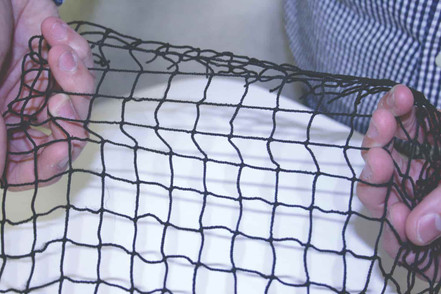
Bird barriers will protect against woodpecker house damage as well as protecting the garden from being stripped of its ripe fruit and vegetables.  Garden bird netting is a very low profile and highly effective way of blocking the bird from the garden area.  It is made for outdoor use, as it is U.V. protected.  It is light weight yet is made of a durable polypropylene.  There are mesh sizes from ½” to ¾”.  It is usually sold in two different roles sizes, 14’ x 100’ and 14’ x 200’.  It can easily be cut down to any size that is needed for a particular area.

Suspending the bird net over the vines and berry bushes will protect berry bushes or grape vines.  Having the netting suspended above 6 inches will prevent the birds from sitting on the netting and eating the fruit beyond the mesh.   Suspending the bird netting over the plants can also protect the entire vegetable garden.

Fruit trees can be wrapped with bird netting.  This will stop the birds from roosting in the tree branches.  You simply measure the circumference of the tree and cut accordingly, adding at least one extra foot.  The netting is then tied to the tree using twine or zip ties.  Hog rings can also be used to secure the netting.

It is always recommended to use another form of bird control along with a physical bird deterrent such as garden netting.  Birds could get use to one type of product, and find away around it.  But if you use a visual deterrent with the netting, it keeps the birds flying on bye.  Visual distractions are very annoying to the bird and they will want to leave the area.


Springtime Bird Control

Wednesday, April 18, 2012 by Kathy Fritsch

get rid of birdsSpring and summer are upon us.  Pollen is in the air.  Boats are being clean up and ready to hit the waters.   Patios are being swept and cleaned for outdoor barbeques and parties.  Gardens are being planned and planted. Bird control should should be installed.

The birds are in the air as well.  And they are active.  You might even have birds repeatedly banging into your windows.  In early spring, male birds are trying to establish territories for nesting sites.  Their behavior results in attaching other male birds that are invading their territory.  When the male bird flies into the window, it is actually trying to attack itself, thinking its reflection is another male bird.  There are window decals to get rid of the bird problem at your window.  The decals use a component which reflects ultraviolet light and when they are adhered to the window, the bird will see the light and know there is a surface, and won’t bang into it.

Another bird to be careful of in spring is the swallow.  You do not want the ugly mud nests attached to your eaves or sides of buildings.  They leave stains and a lot of bird droppings.  The droppings are acidic and damaging as well as unhealthy.  Many diseases and bugs are in the accumulated droppings that can be transmitted to humans.  Bird control such as bird slopes will take care of the problem of the mud nests.  They can be applied on ledges, eaves, I-beams and even window sills.  The slope creates a perfect slippery, 90-degree slope that the birds will not be able to land on, let alone build a nest.

Woodpecker house damage is another springtime problem for homeowners.  Woodpecker deterrents such as woodpecker netting will keep the incessant drumming at bay.  Woodpeckers can do a lot of damage to the wood-sided homes.  Get rid of the woodpeckers with the lightweight, plastic netting.  The physical barrier will keep woodpeckers from pecking on the side of the home.

Protecting the home using safe and humane bird control products is an equally required springtime activity that needs to be considered each year.


“Greener” Gardens with Bird Control Solutions

Saturday, April 14, 2012 by Kathy Fritsch

garden bird nettingIf you are planning a spring garden in your backyard, you are most likely looking at a more eco-friendly “green” garden.   A backyard buzzing with life and activity is a way to do your bit in promoting a healthy planet.  Organic gardening does not have to be difficulty.  Gardening is meant to be enjoyable and is a way to relax with a little bit of healthy exercise in the open air. 

Growing some of your own produce is also extremely rewarding.  Like anything that is done in nature, there are problems that can arise.  Pest birds can still be a nuisance and destroy your hours of labor in a short period of time.  But with preparation and right timing, even bird control measures can be “green.” 

When planning out the garden, it is also wise to plan out how to keep the pest birds away.  Clean and humane bird control should be a priority.  Bird control products that do not harm the bird, plants, household animals or people are desirable. Safe and humane bird control for gardens consists of bird spikes, bird spiders and solar bird repellers. 

The Bird Spike Solution

Plastic bird spikes are a humane physical bird deterrent that helps keep birds away.  Don’t let the word “spike” fool you into thinking it can injure the bird or the person installing the plastic bird spikes.  It is not the spike itself that keeps the pest bird from the area, but the amount of them.  The larger pest bird, such as the pigeon and crow cannot land where the plastic bird spikes are installed because they do not like the uneven surface and cannot comfortably stay there or fluff and expand their feathers.  They are made for outdoor endurance.  The bird spikes are U.V. protected and will not be affected by extreme temperatures of hot or cold.  Once they are correctly installed, which can be as easy as gluing them down, they are virtually invisible and will not take away from any aesthetic appeal from the home.  They also come in various colors to help with invisibility aspect of the bird spikes.  They also come in varying widths so that they can be easily installed on different size ledges, rooftops, fence lines, canopies and even under the eaves of the home.  Under the eaves is especially important to protect.  This is where the pest birds like to hide away from their predators and where they are likely to build nests.  Protecting this area before the nests are built is crucial.  It is illegal to remove nests once they are inhabited. 

The Bird Spider Solution

The bird spider is what the name implies.  A spider has many legs, and the bird spider does also.  The bird spider acts as a physical deterrent as well as a visual bird deterrent.   The bird spider’s “arms” move and bounce with the breeze. The diameter of the “arms” are from 2 foot up to 8 foot depending on the area you are placing the bird spider deterrent.  If placed on the roof top or skylight, the larger arms would be better protection.  If placed on top of a table near the patio or pool and hot tub, a smaller “arm” would work.  The spacing of the “arms” prevents the larger pest birds from landing, which is the physical deterrent in action.  The movement of the “arms” in the breeze is the visual deterrent which creates an uncomfortable area for the birds scaring them away.    The bird spider’s “arms” are very thin, stainless steel that stem from a round PVC base.  It is very unassuming and will not be distracting to people, only the pest birds.  Bird spiders are often seen on boats and docks.  There is a special base made for boats which makes the bird spider quite adaptable to different environments.

The Solar Bird Repeller Solution

The solar bird repeller is similar to the bird spider in that the repeller has an “arm”.  The “arm” in this case is a 5’ telescoping “arm” that is mounted on the repeller base and continuously spins.  The birds are frightened by the constant movement and will want to avoid any area where the bird repeller is in action.   Again, you will see this often on docks and boats, but is ideal also for roofs, A.C. units, skylights and chimney caps.  Again, the top of the roof and the ledges are where the bird is going to give itself that “bird’s eye view” to determine the vicinity for food.  Keep them off the high areas around the home, and you’ll keep them out of your yard all together.  The solar bird repeller has an on/off switch and can be working all evening long.  Once the solar aspect of the bird repeller is charged fully, it will operate during the dark times which are when the birds will try to hide away from their predators.  With bird control measures in place, they will be forced to find another location.

Believe it or not, protecting all these areas of the home will protect your whole yard, especially the treasured garden.   Birds want to find roosting and nesting areas close to their food source.  If they are forced to find alternative housing options, they will be forced to find a different food source as well.   Safe and humane bird control solutions are another way to ward off the pest bird and help maintain a “green” garden.  Be a successful backyard gardener and show off that green thumb. 


Physical Bird Barriers that Protect against the Pest Bird

Tuesday, January 24, 2012 by Kathy Fritsch
get rid of birdsThere are many people who do not care if there are birds in their yard.  Actually, there are some who try and lure the bird with bird baths and bird feeders.  But, if you are not one of those people and are disgusted with the bird mess that is accumulating, there are safe and humane bird control measures that will block the birds from making your home their bathroom.

Reasons to Keep Pest Birds Away

Besides the ugly mess that bird droppings create, there is health risks associated with the accumulated bird droppings.   Crows, for example, can be a huge problem.   They are a very intelligent bird species.  Even though pigeons, sparrows, geese and grackles can be a nuisance, crows can be especially destructive when they come into contact with humans and structures that are not built as bird houses.  Crows have been known to damage airports and planes, so imagine what they do around the home.  Crows cause tens of millions of dollars of damage every year to machinery, automobiles, roofs, ventilation systems and roofs.  The droppings are very acidic and eat away at many substrates.  The bird droppings can damage siding, insulation, air conditioning units to name only a few locations.  It is especially a serious situation if the pest bird builds nests in chimneys and ventilation systems.  This can cause the spread of disease and block the air-flow.  Bird droppings are host to over 60 different types of infectious diseases.  Get rid of the pest bird before it is difficult to get rid of the aftermath they can leave behind.

Bird Control Netting and Diverters


Bird control netting is a bird control measure that is put into place where the pest bird is known to roost and nest.  Pest birds can be a big disturbance not only in the home, but the garden as well.  A lot of pest birds are very social birds and will often flock to your trees. Bird netting as well as anti roosting bird control is necessary to protect fruit trees, garden plants and building structures. 

Bird control netting on trees, bushes and garden plants is a solution that places the obstruction between the pest bird and your prize.  Bird netting is made from a U.V. protected polypropylene making it weather and sun resistant, effective and easy to install.  It is a versatile means of blocking a variety of pest birds as you can use a smaller mesh for your blueberry bushes, yet a larger mesh for tomato or zucchini plants.  It is practically invisible to the human eye and will not upset the aesthetics or functionality of the yard.  Placing bird control netting with scare diverters will protect against various species of pest bird.  Scare diverters over time might not actually scare the crow.  They adjust very easily to visual deterrents.  A mixing and matching of different bird control products is suggested with the crow.  Some birds, however, can be deterred easily with just scare diverters.  These pest bird diverters work for large and small pest birds.  They can be hung in fruit trees.  They can be placed sporadically around the yard using a simple wooden post or dowel with the diverters hanging from twine.  The movement of the light weight diverters with its shiny reflective surface and mock predator eye is what scares the birds away.  It is a very humane way to keep the birds away from the area.

There are also predator eye scare balloons that can be places strategically around like the scare diverters.  The scare balloons can be hung on the sides of the home, overhangs, balconies and patios.  Just like the diverters, the scare balloons have the design on the side that the bird believes to be a predator’s eye.  The bright colors and shiny surface confuse and frighten the bird and they will want to keep away from the areas where the scare balloons are placed. 

Bird Gel, Bird Slopes and Bird Spikes

Bird control products that help keep the pest bird from hiding away, building a nest and roosting are transparent bird gel and bird slopes.  The transparent bird get is a non-toxic substance that the birds cannot stand the sensation of.  They will be forced to move on to a different area to roost and perch.  Bird gel is ideal for locations such as ledges, eaves, beams and any horizontal surface where the pest bird may want to land. It is easy to apply using a caulking gun.  It will not harm any domestic animals or humans. 

Another safe option is the bird slope.  This anti-roosting and anti-perching deterrent will encompass most species of birds.  Bird slops can be placed under the eaves of the home where pest birds like to tuck their nests away.  It creates a “slippery slope” and birds will not be able to land on the surface, nor build their nests on them, therefore creating a secure barrier. 

Bird spikes are a successful way to get rid of the pest bird around your yard and structures.  They will prevent the larger pest birds like crows, seagulls and pigeons from landing where bird spikes are applied.  They work by creating an uneven surface that the birds cannot land on.  They will be forced to move on to more desirable location.  Bird spikes, when installed correctly, are virtually invisible.  They are placed on fence lines, rooftops, beams, under eaves and ledges.  The surface can be flat or curved.  There are stainless steel, plastic and spikes that are made specifically for the gutters of the home.  Plastic bird spikes come in various colors to match the structures.  There is white, tan, brick red, black and gray.  They are easily tied, screwed or glued into place. When the bird spikes are secure, so will your backyard vegetation. The pest bird will not be able to perch and look for their next food source which would have been your garden.

All the bird control products that are humane and safe for the pest bird, as well as the humans that may come in contact with them, are very versatile and will be successful in blocking and deterring the pest bird from staying around where he is not wanted.


The Need to Control Birds

Thursday, January 12, 2012 by Kathy Fritsch
Get rid of birds with bird control products“Free as a bird.”  That is a very common quote.  What does it mean?  When it comes to pest birds it means the bird has no boundaries.  It means the pest bird can fly and perch, nest and roost wherever they find contentment.  Creating an uncomfortable area with bird control is the safe and humane way to get rid of birds.

Reason for Bird Control

One of the main reasons it is important to put bird control into action is that pest birds can do a lot of damage.   Birds like to roost and nest in the trees, roofs and eaves.  The destruction they leave in their wake can be quite expensive and put you at a health risk.   What they leave behind are their white pasty droppings.  Accumulated bird droppings are known to harbor over 60 different types of viral, bacterial and fungal diseases.  The diseases transfer to humans and can generate seriously illnesses.  West Nile Virus is one such illness and can cause severe neurological effects that may be permanent.  Cryptococcosis and Histoplasmosis are two yeast-like funguses that can be acquired from the bird droppings.  The bird droppings are also highly acidic and corrosion will take place wherever they fall.  They will corrode paint, wood, steel and even concrete.   You can imagine the time and cost to replace or repair the damaged areas.  Bird control will not only keep that unsightly mess from existing, but will also protect against the development of health problems.

How to Bird Proof

It is first necessary to assess the property that is being invaded by the birds.  Are there trees that are full of birds?  Are they perched on top of an awning in wait of food spillage?  Maybe the problem area is under the eaves.  No matter where the pest bird is a problem, there are bird proof methods to deter the birds and soon they will fly right on over and beyond your property.    There are basically three types of bird deterrent methods.

Physical Bird Deterrents


A physical bird deterrent is simply a bird control product that blocks the bird from its desired landing spot.  Bird spikes are a good example of a physical bird deterrent.  Bird spikes are very successful in keeping away the large pest birds such as pigeons, crows and gulls and keeping them from perching, nesting and roosting.  Construction grade adhesive will secure them down to concrete, steel and brick.  Screws can be used to secure them to wood surfaces.  They are virtually invisible when installed correctly.  What helps with the aesthesis as well is the plastic bird spikes come in various different colors to match their surroundings.  They also come in various widths and lengths that fit it just about any area that has a flat or slanted surface.   They are especially ideal for use on a patio covering where there is al fresco dining or even your own home patio coverings.

Bird netting is another physical bird deterrent that works especially well for protecting vegetation.  Many vineyards use bird netting to protect the precious grapes from being eaten by the birds.  It is recommended that you suspend the netting over the vines by at least 6 inches.  This prevents the birds from landing on the mesh and putting their beaks through the mesh to get at the fruit.  Bird netting is also proven to deter the pest bird from home gardens and fruit trees.  Heavy duty bird netting is ideal for warehouses, garages, rooftops, factories and bridges.  Heavy duty bird netting is professional grade bird netting.  Most bird netting is made of a U.V. stabilized mesh, rot proof, water proof and flame resistant.

Visual Bird Deterrents

Visual bird deterrents create an optical illusion that scares the pest birds away from the area.  Visual deterrents such as a diverter or scare balloons have a printed design on the sides of them which, to a bird, look like a predator’s eye.  The mock predator eye design on the visual deterrents confuses and frightens the birds.  In turn, they fly away and will want to avoid the area.  They can be hung along the side of homes, buildings, in trees and even on boats to get rid of the pest bird.  Flash tape is another visual deterrent that can quickly be applied.  It is a iridescent red foil Mylar tape that that can be cut into strips and attached to trees, outdoor patios and pool areas to name only a few places.  The tape moves in the breeze and makes a crinkling sound which simply frightens the bird away.  Using the same principle, solar powered bird repellers can be placed on signs, streetlights, A.C. units and swim platforms.  The solar bird repeller uses movement to scare away the birds.  It has 5-foot telescoping “arms” that spin continuously.  The rotating arms move even at night using solar power, but it also has rechargeable batteries for operation during dark periods.  The repeller is easy to mount and can even be mounted on an angled surface.

Sound Bird Deterrents

Sound bird deterrents are for large open spaces such as courtyards, warehouses, patios, backyards and even golf courses.  A sound device plays distress and predator calls.  Like the visual deterrents, the sound deterrents, too, scare away the birds.  The units can be programmed to broadcast over 22 different types of bird species.  If you are unsure as to which bird to deter, there is a “general” setting that covers a multitude of bird species.  There are additional adaptable speakers that will cover up to a six acre area.

Physical, visual and sound deterrents get rid of birds in unwanted areas.  There is no harm done to the bird or installer.  Using humane bird control methods is abiding by the law.  It is unlawful to remove birds once they have built a nest.  It is important to start thinking of installing bird control products in early spring before they make themselves at home at your place of business or home. 


The Purpose of Bird Netting

Wednesday, January 11, 2012 by Kathy Fritsch
get rid of birds with bird nettingIf you need to exclude pest birds from areas such as loading docks, warehouses, garages and even airport hangers, bird netting is the one sure way to completely exclude the pest bird.  When installed correctly, bird netting is virtually invisible to the naked eye.  Bird netting will not create a visual distraction for customers or employees.  Bird netting is the visual barrier that is a distraction to the pest bird.  The netting causes confusion and frustration to the bird which in turn gets rid of the bird when they fly away to find another spot to roost. 

Bird netting has many advantages.  By keeping pest birds away from your building, not only are they an eye sore to look at, but they can actually be the cause of eye sore.  Ocular Histoplasmosis is a fungal eye infection that eats away at the eyeball.  It is only one of over sixty diseases that birds can transfer to humans.   Ocular Histoplasmosis is transmitted to humans when the bird droppings are allowed to accumulate, dry out and turn to dust.  The dust then becomes airborne and gets into the mucus membranes of the eye unknowingly.  Other potentially fatal illnesses like E. coli, salmonella and respiratory Histoplasmosis also come from bird droppings. Business should not take pest bird infestation casually.  There is very little cost involved to secure the buildings and areas that can be controlled by bird netting compared to the cost to the company when a customer or employee comes in contact with one of the 60 diseases.  Installation of bird netting could simply put an end to any health worries associated with the pest bird.

Another advantage to bird netting is it is abiding by the law.  A bird net is a humane way to get rid of the pest birds.  Bird netting does not harm the bird in any way.  It is illegal to kill most types of birds, especially using pesticides for bird control.  It is important to know when it is safe to remove nests and other materials as well.  Removing breeding birds leaves the babies to die in the building which attracts more parasites and disease.  Humane bird control using products such as a bird net is essential.

Bird netting is one of the more versatile forms of bird control.  It can be used in large open areas or secured to keep pest birds out of small intricate openings where the pest bird tries to hide from its predators.  It is light weight and easy to install.  Good bird netting is long lasting and U.V. protected.  It is also a great bird control product that protects vegetable gardens, blueberry bushes and even grape vines.  Its various mesh sizes protects against many species of birds.

For businesses where large areas are in need of bird netting, it would be wise to consult with a professional bird control installer.  If the netting is not installed properly, sagging and drooping netting leaves gaps for pest birds to get through.  When this happens, it is as if no netting has even been installed.  Alleviating all risks associated with the pest bird is the ultimate goal.


Using Plastic Bird Spikes Effectively

Tuesday, July 26, 2011 by Kathy Fritsch
bird spikesMany property owners across the country and around the world use plastic bird spikes as an effect means to deter the pest bird.  Bird spikes are effective because no matter how hard the large pest bird tries, it cannot seem to get their wings or feet around the spikes to land.  The pest bird may try, but will give up on landing at the location and move on.

Plastic bird spikes are a very effective in keeping pest birds from roosting on ledges, signs, chimneys, parapets, security cameras, street light fixtures and beams.  Plastic bird spikes even impede birds from nesting in places that are usually a refuge for pest birds.  Plastic bird spikes are often recommended by architects, building contractors and municipalities because bird spikes are extremely effective in deterring pest birds.

On of the key benefits of using plastic bird spikes over steel bird spikes is that they are non-conductive.  This means they will not interfere with phone lines, transmission towers, electrical switches and electrical signs.  They are also safe around cell phone towers, relay stains, airport towers and any other area where high frequency is being transmitted into the air.

Bird deterrent spikes are also very humane.  Stainless steel bird spikes are also humane.  They both can be used openly and safely to deter a vast rant of pest birds especially large birds such as crows and seagulls. It is important to not hurt a lot of the birds, even though they are considered pest birds.  Most birds are protected under the Migratory Bird Treaty Act of 1918. Using humane bird control also gives peace of mind that you are not harming a living thing that is a natural part of the ecosystem. Plastic bird spikes, by name, and by looks might appear to be harmful, but they are not at all.  The points are blunted and will not pierce the bird or any other animal or person. Plastic bird spikes have even earned the approval of many humane groups around the world, including the Pigeon Control Advisory Service and the US Human Society.

The bird spikes are very durable and rugged.  They are made of 100% post industrial plastic materials.  The spikes themselves are made of discarded scrap plastic that is ground up and reformed into pellets.  This makes eco-friendly plastic bird spikes.  Plastic bird spikes can withstand very harsh weather conditions. The spikes are U.V. protected and withstand long periods in vast weather conditions.  They even last through extreme temperatures of -200 degrees F and +310 degrees F.

Plastic bird spikes are virtually invisible when installed correctly.  There is no worry that the spikes will distract from the appearance of the business or building.  Plastic bird spikes also come in a variety of colors to help keep the aesthetics of the building in place without interruption.  Choices of colors range from crystal clear to white, tan brown, black, and brick red.

Plastic bird spikes work against a wide range of pest birds including pigeons, vultures, raptors, gulls and crows.  The spikes are versatile and come in different width sizes; 3”, 5” and 7” widths. Plastic bird spikes are extremely easy to install and require very little maintenance for their upkeep.  There is no assembly before installation, you simply remove from their packaging and they are ready to go.  Plastic bird spikes are very economical, even more so than stainless steel bird spikes. 

Installing plastic bird spikes simply entails first cleaning the area using a 10% bleach or ammonia solution to disinfect the area where the plastic bird spikes are to be installed.  All debris and nesting materials need to be removed.  Any overhanging branches should be trimmed back as well.  It is extremely important to disinfect the area carefully.  Bird droppings and nesting materials that have bird dropping debris can be full of health hazards to humans.  Bird droppings harbor many transmittable infectious diseases.  Many of them are transmitted through the nasal passages when they become airborne, so using protection when cleaning the bird debris is advised.  Wearing protective clothing and gloves will help stop the transmission of the diseases.

The pest birds are crafty.  Installing the bird deterrents correctly will keep the pest bird from finding away around the spikes.  Installing the spikes leaving at least a half inch overhang on the outer edge of landing areas will ensure full protection.  This includes areas such as a ledge, roofline or windowsill.  The plastic bird spikes have a flexible base which makes installation easier.  It also allows for use on curved surfaces as well as the flat surfaces.  They come in two foot sections which also make for easy installation.  They can be screwed down to any surface and also glued down.  If there area is extra wide, rows of the spikes can be secured down to cover the larger area. 

Pest birds may try to land, but with plastic bird spikes in the way, they will just keep on flying until they find another area that is more comfortable for them.  The spikes are safe and humane and will get rid of birds and keep them away for good.


Bird Control Using Hawk Decoys

Monday, July 25, 2011 by Kathy Fritsch
get rid of birds with the hawk decoyGrowing blueberries in the back yard is one of summertime’s pleasures.  The blueberries may even be next to squash plants, tomato plants and the beautiful artichoke plants.  Keeping the garden plants growing and flourishing means watering, fertilizing, pruning and do not forget the all important bird control.

Bird control products that keep the pest bird from eating your bounty is needed in big orchards as well as a small raised bed on the side of your home.  Birds will be birds, and they will start roosting and nesting near their food and water sources. 

Scaring the pest birds away from water and food sources near your home will help save your garden plants, but will also save the structures, homes, barns, garages, patio coverings, awnings and pools.  Pest birds leave behind more than they take.  They leave behind their nasty droppings.  Bird droppings are highly acidic and can stain and even destroy just about any structure from paint to metals.  Accumulated droppings also harbor parasites, disease and bugs, including the bed bug. 

Fear is a very motivating factor, even for the pest bird.  With fear, comes movement for just about all species.  When pest birds feel fear, it is fight or flight.  It is instinctual.  Red-tailed Hawks are birds of prey.  Most pest birds that are going to go after your blueberries will be frightened of the Red-tailed Hawk.  That is what makes the life-like hawk decoy a great bird deterrent to put in the garden.   The hawk decoy will perch elevated over the garden bushes much as a real Red-tailed hawk would in way of swooping down and seizing its prey, catching birds while flying low.

The hawk decoy can be mounted on a decorative perch or can also be placed on patio covers, rooftops or any other flat surface.  The hawk decoy can even be hung in appropriate places.  The decoys are made for outdoor use; therefore they are made of a very durable plastic. 

Hawk decoys are a very affordable way to get rid of birds from your garden patch.  They are effective for small and large pest birds.  Bird deterrents such as the hawk decoy that only frighten birds away will not harm anything or anyone.  It is a safe and humane bird deterrent that will keep the birds away and enable you to enjoy a guaranteed bounty of blueberries for your summer smoothies and blueberry pies or in your morning cereal.

Goose Control in Large Grassy Areas

Monday, July 25, 2011 by Kathy Fritsch
get rid of geesePest geese every year wreak havoc on businesses.  Millions of dollars in damage is caused requiring expensive cleanups and repairs.  Effective goose control is the answer to this situation.  Contamination of properties with water such as golf courses and parks, pools and fountains can be avoided using the appropriate goose control to get rid of the geese and their droppings.  Geese can be a huge problem where water is found.  They will want to move in right away.  The crows and grackles are other pest birds that can be detrimental to property as they gather by the thousands to roost and nest, which means lots of droppings that will contaminate the area.   

Some have tried trapping the birds and releasing them miles from where they were captured, but often times birds return and there is a lot of time that has been wasted for not.  Lethal methods such as poison and even firearms are not a practical solution when it comes to bird deterrents.  The crack of a firearm might send the many roosting birds from the trees initially, but they will more than likely be back.  There are also laws and treaties that protect migratory birds from harm.  Finding a safe and humane way to deter the pest geese is needed.  It is always best for owners, ground keepers and property managers to be proactive when it comes to pest birds.

The newest types of pest goose control options are very safe and humane and extremely effective.  There are chemical goose repellants made specifically to deter geese.  The substance is a non-toxic liquid that is sprayed on the grass areas like those at parks, cemeteries, golf courses, greenbelts and other types of landscape.  The liquid is made from grape extract, methyl anthranilate, and will not harm other plants nor other animals or humans.  The goose repellent comes as concentrate.  Water is mixed with the concentrate usually at a ratio of one part concentrate and 12 parts water.  It is best to apply the goose repellent the following week after application.  Goose repellent will last up to 3 months.  It will not wash off with watering or if it rains.  The goose repellent irritates the bird’s trigeminal nerve and mucous membranes.  The geese do not like the sensation of the grape extract when it enters their eyes, notes or mouth.  The repellent simply makes the grass unpalatable to geese and they will move on to find a better food source and a more comfortable environment for them.

There is also a chemical bird repellent that is effective for use against most other bird species.  Where there are ledges, trees, bushes and shrubs, or fences, there will be pest birds landing on them, especially when they are in open grassy areas.  The concept is similar to the goose repellent.  The pest birds do not like the sensation of the bird repellent.   The repellent creates a sticky sensation and they will not want to land on the uncomfortable sticky area.  It is a very economical way to get rid of the pest birds.  The bird repellent is usually sold in one-gallon containers and will treat up to 120 square feet.  The bird repellent is easily applied to the areas using a hand or pressure spray gun.

It is important to keep golf courses, parks and greenbelts clean for use by the public.  By instituting goose and bird repellents, you are eliminating the nasty droppings that are hazardous to one’s health in many ways, and keeping up a good appearance that is safe and clean.
                             

Swallows' Return Causes Structural Damage

Tuesday, January 18, 2011 by Carolyn Griffin

get rid of swallowsby Carolyn Griffin

Spring, the season of rebirth, renewal and regrowth, indicates that the short winter days are being replaced with longer and warmer days. With the blossoming of various plant species and the reawakening and return of animals, spring indicates new life—both plants and animals—being born. During spring, the infamous swallows return to warmer climates. However, with their return, they need a new home. Thus, they try to build mud nests in nooks such as above doors and in eaves.

Barn swallows and cliff swallows sometimes come into conflict with people because of their mud nest building habits, which are often attached to buildings. Cliff swallows nest in large colonies of up to several hundred pairs; however, barn swallows tend to nest as single pairs. Four basic conditions are needed by nesting cliff and barn swallows: a fresh water source for drinking; an open habitat for foraging; a supply of mud of the proper consistency for nest building; a suitable surface for nest attachment, such as beneath and overhang or ledge.

The best control tactic is altering the suitability of the attachment site. There are several ways this can be done: through the use of netting and using bird spikes. Both of these methods are safe for both birds and humans. Nest removal should be initiated at the first sign because it is illegal to remove nests with eggs of young swallows. Although nests can be washed down with a hose, persistent swallows may attempt to rebuild nests several times unless they are deterred with bird control methods.

Bird spikes keep pest birds from landing and roosting on flat or curved surfaces. This product will help you get rid of swallows and the product is available in a variety of sizes. In fact, there are many different types of spikes. Some examples include: stainless steel bird spikes; polycarbonate plastic bird spikes; bird gutter spikes; and the mega bird spike.

 These products are both humane and safe for both the installer and the bird, and the spikes all come with a guarantee for effectiveness.   For example, the bird gutter spikes will fit into any and all gutters due to their adaptability. The polycarbonate plastic spikes are cost effective: they are half the cost of steel, yet provide the same strength.  In addition, the plastic bird spike is available in a variety of colors. Finally, the stainless steel bird spikes and polycarbonate plastic bird spikes come in a wide variety of widths.

In addition to the bird spikes, netting is an effective swallow control method and option. As with the bird spikes, bird netting is used for total exclusion of pest birds. The products have a ten year guarantee, and its strength and durability serve as an effective bird deterrent. Three types of bird netting are available: heavy duty bird netting, no-knot bird netting, and ultra-net plastic bird netting. Custom sizes are available upon request, and the products are easy to install and protect plants, bushes, and structures.

With the arrival of spring, many thoughts come to mind: warmer weather, outside furniture, barbecues, flowers in bloom, and birds in flight and nesting. As swallows return to the warmer climate and begin the process of nesting, you must be aware that the use of toxicants, trapping, and shooting are all against the law. This is because swallows are classified as migratory insectivorous birds under the Migratory Bird Treaty Act of 1918. Thus, safe and humane bird control methods may protect your structures from having unsightly nests built.


Bird Deterrents for Gardens

Wednesday, January 12, 2011 by Kathy Fritsch
bird deterrentsGardening for most people is a very relaxing hobby.  Pruning, watering and even fertilizing are all joyful because of the outcome of the fruit that your labor brings forth.  To watch a garden blossom under a green thumb takes more than just water and care.  It also needs to consist of bird proofing.  Bird deterrents in action will assure you that the money and time spent on your garden will not be wasted. 

To live in harmony with the feathered foe takes bird deterrents that are safe and humane.  Bird deterrents consist of sound deterrents, physical deterrents and visual deterrents that are all safe for the pest birds and the gardener. 

Sound Deterrents


A sonic bird deterrent is a unit that can be purchased from a reputable bird control company that can be programmed to deter birds from backyards.  Even if you have a big open space, the sonic bird deterrent can cover an acre.  With additional adaptable speakers, the sound deterrent can cover up to six acres.  The unit can easily be programmed to play over 22 types of bird distress and predator calls.  If you are unsure of the bird that is causing the most problems, you can keep it on the “general” setting which will play distress and predator calls from various bird species.  It can be programmed to play day and night.  The unit is safe outside in any type of weather exposure as the sonic unit is constructed of rigid U.V. protected material making it weatherproof.  It works by scaring the birds away.  The pest bird’s natural instincts arise when they hear the predator and distress calls to fight or flight.  Since there isn’t a real bird to fight with, they take flight.

Physical Deterrents


A physical deterrent, such as bird netting, is a successful deterrent which excludes the pest bird from the area.  Garden plants can easily be protected by bird deterrent netting.  Bird netting is very light weight and very easy to manage.  For your garden plants, the bird deterrent netting is best utilized when it is suspended over the plants.  This can include smaller fruit trees, vegetable gardens, berry bushes and even grape vines.  Place a few poles strategically around the garden area and secure the bird netting to the poles.  You can also wrap each plant with the bird netting as well.  The netting is easily secured using either a staple gun or net clips. 

Before birds get to your plants, they need to find them.  They will roost in a location and look around for food.  Pest birds love to roost on roof ledges and patio covers.  Roosting on the ledges gives them a “bird’s eye view!”  Bird spikes installed in this area will not allow the birds to land.  It simple creates an un-even surface and the birds will automatically move to another location.  Bird spikes can be plastic or stainless steel.  The plastic bird spikes come in various colors to match your home structures.  Both stainless steel bird spikes and plastic bird spikes are virtually invisible when installed correctly.   They are easily installed using adhesive or screws.  Bird spikes are a simple weekend project for any homeowner.

Visual Deterrents

A visual disturbance to a bird is a big annoyance and frightens the bird away.  There are products as straightforward as flash tape.  Flash tape is a bird deterrent that is merely a roll of iridescent red foil tape.  The tape, when hung in trees or along the sides of the home, will move in the breeze creating a visual distraction from the shiny iridescent surface of the tape.  It also works as a sound deterrent by making a slight crinkling sound when the tape moves. 

Scare balloon are ideal to hang in fruit trees.  It is another visual deterrent.  Scare balloons are made out of a weather resistant vinyl plastic.  On the side of the scare balloon is a printed design that the bird sees as a predator eye.  Their instinct to fight or flight is heightened upon viewing this moving “predator” and they fly away.  Same is true when using a hanging diverter.  The diverter is made of rugged and durable plastic but is not inflated.  The design on the side also creates an artificial threat from a predator.

Spring is here.  Enjoy the outdoors to the fullest.  Install simple bird deterrents to ensure a bird free backyard so that your garden will flourish.

Harmonious Bird Deterrents

Tuesday, December 21, 2010 by Kathy Fritsch
bird deterrents stop pest birdsIt is important to respect and protect all of nature that is around us.  There are harmonious ways to live with nature, even when nature includes the nuisance birds.  Pest birds such as crows, pigeons, sparrows, geese and grackles have many areas on this planet to gravitate towards.  Protecting home environments does not mean destroying the pest birds, just getting rid of the birds in the immediate area.

Bird netting is not netting that catches the bird but netting that does not allow pest birds access to the area that is being protected.  Fruit trees and vegetable garden are areas where bird netting works remarkably well.  There is even woodpecker netting that can be used on the sides of homes where the woodpecker is often causing damage.  Woodpecker netting is ¾” mesh, small enough to keep this cute, but pesky creature from doing anymore damage.  “Poly-Clips” are used to fashion the woodpecker netting under eaves and other areas.  Bird netting and woodpecker netting is lightweight making for easy installation. 

Bird deterrent spikes are another low profile means to get rid of the pest birds that are causing havoc around the home. Bird spikes are safe for the pest bird and the installer.  The edges are blunt enough to not cause injury to the installer, but sharp enough to deter the pest bird from landing on the area where they are installed.  Bird spikes work well on any flat surface such as rooftops and peaks, ledges and window sills.  If you have a problem on a.c. units, they can be applied to tops of these.  Bird deterrent spikes work by creating a very un-even and uncomfortable surface where the pest birds will not land.  It then forces them to move onto another location.  Plastic bird spikes come in a variety of colors so as to blend in aesthetically with the home.  There are also stainless steel bird spikes, as well as gutter spikes.  The gutter spikes help keep birds from nesting in the gutters which clogs the gutter and drains.

Bird netting and bird spikes are both virtually invisible when installed properly.  If help is needed with installation, a professional bird control company will have certified bird control product installers to assist with any questions and concerns you may have. It is possible to live harmonious with nature and not harm the pest bird by having humane bird control in action.


Geese Deterrents Needed South for the Winter

Thursday, December 16, 2010 by Kathy Fritsch
get rid of geeseThe Canada Geese are flying south to the United States and even Mexico during winter months.  The young learn their migration routes from their parents and follow the same route in subsequent years.  Canada geese are famous for their life-long mating, though the widowed goose will usually choose a new mate.  Canada Geese, Branta Canadensis, populations are in the millions.  They are easily considered a pest bird because of the destruction this waterfowl will leave behind. There are also serious health problems that go along with the geese.

Humane bird control is available for problem geese.  Pest bird control measures can be easily applied to areas like lawns, backyards, parks and gardens.  Goose repellent spray can be useful in all these areas.  Goose repellent spray is sold by the gallon and each gallon covers approximately 16,000 square feet.  The ingredient that the geese do not like is Methyl Anthranilate which is simply grape extract.  It is non toxic to geese, domestic animals and humans.  The geese do not like the sensation caused by the extract. The extract irritates the geese’s trigeminal nerve and mucous membranes in their eyes, nose and mouth.  They will get a small dose of the goose repellent and fly away from the repellent.

A visual deterrent to work alongside the goose repellent would be practical.   Coyote decoys can be strategically placed around the property being protected.  The decoys work well in large areas such as athletic fields, parks, golf courses and lake front properties.  The coyote decoy is a natural predator of large water fowl such as geese and ducks.  The decoy deterrents are made out of a durable U.V. resistant plastic that will withstand the outdoor elements. It is a very simple and economic bird control measure to deter the pest fowls away from unwanted areas.  It is advisable to change the locations of the deterrent decoys occasionally to prevent the pest birds from getting to use to the decoy.  The geese and ducks are simply scared away.

One of the main reasons to get rid of geese from the property are for sanitary and safety reasons.  If the feces are left to collect and are not properly cleaned up, the goose feces can carry many different types of bacteria and parasites.  This can contaminate water surfaces and cause outbreaks of diarrheal parasitic disease in people.  Another concern of large flocks of geese in public recreational places is their proclivity of becoming aggressive towards people.  Many a golfer's round has been affected by the nuisance geese, whether it is their feces on the green as their trying to putt, or having to scare and run them off the course during a golf round.

Both goose repellent and coyote decoys are humane ways to get rid of the geese.  There is never any harm that comes to the geese or anything else that comes in contact with either bird deterrent product.  Both bird deterrent products can be put into action immediately with minimal costs and time.  No harm, no fowl.

Do Bird Spikes Work?

Friday, December 3, 2010 by Kathy Fritsch
get rid of birds with bird spikesA common pest bird problem around the home is birds sitting on roofs and balconies, railings and fences.  They wake you up with their non-stop commotion at dawn and leave their poop behind for you to clean up.  Many homeowners have this problem and are unsure how to best deal with it.  Fortunately, there is a simple solution to this dirty problem. 

Bird deterrent spikes are a successful method of bird control.  Bird spikes are one of the most cost effective means to get rid of the pesky birds.   Bird spikes sound as if they might stab and harm the bird, but be assured that bird spikes are quite a humane bird deterrent product.   They are harmless to the birds and to those installing the spikes.  Bird spikes work best with the larger pest birds like the crow, pigeon and seagull. 

Sturdy polycarbonate plastic bird spikes come in two foot long sections.  The widths can vary depending on the size of the area they need to be applied to.  They are offered in a variety of colors to go with the color of your home and structures.  They are virtually invisible from the ground when applied correctly. Installation advice as well as product advice can be found at a pest control company that is certified in bird control installation.   There are stainless steel spikes as well as gutter bird spikes.

How bird spikes work is simple.  Bird spikes create an un-even surface which makes it extremely difficult for them to land and fluff their feathers.  They will move on to find a better landing spot to roost and perch.  It is important to keep birds away as the build-up of bird poop creates an unsanitary condition and can create various kinds of health ailments in humans.

The principle that applies to bird spikes is to keep them away from the area.  Make it uncomfortable for them and they will go elsewhere.  The principle could easily apply to all unwanted company couldn’t it?

Bird Repellent Strategies for the Home

Monday, November 29, 2010 by Kathy Fritsch
get rid of birdsHomeowners each year spend hundreds of dollars cleaning up and repairing damage that the pest bird causes.  Pest birds such as pigeons, crows and sparrows invade homes each year causing damage to yards, gardens and the actual home.  There are many bird repellent products that will get rid of pest birds.  Investing in a humane bird deterrent will keep pest birds away from your property and save you the expense of repairs and clean up.

Bird Repellent Options


Physical bird deterrents
are bird control products that keep pest birds from roosting and perching.  Bird spikes, bird netting, bird repellers are types of physical bird deterrents.  Bird Spikes are very economical and easy to use and will keep larger pest birds such as pigeons and crows off your home.  You simply screw or glue the bird spikes to the edges and peaks of your roof to keep the pest birds off.  They also can be applied to patio covers, fences and other flat surfaces that birds roost and perch on.  Bird deterrent netting is used to eliminate pest birds from spots such as under the eaves of your home.  Bird netting can be installed at an angle from the roof’s edge to the side of your home to guard against swallows and woodpeckers.  Bird deterrent netting is also used to protect blueberries bushes.  There are also bird deterrent repellers available.  These repellent devices “sweep” birds away with “arms” that rotate.  Bird deterrent repellers are usually solar powered with rechargeable batteries to run at night.  The bird deterrent repellers are a perfect way to keep larger pest birds away from patio furniture; patio covers, even docks and boats.

Sound bird deterrents are used to frighten away birds with loud noises.  The loud sounds are predator calls and distress calls played in short intervals.  The sounds generate the bird’s instincts to threat and they will go away.  Be sure to get a sonic sound unit that is water proof and uncomplicated to program.  The sonic bird deterrents should have many target bird sounds to program; pigeon, crow, sparrow or whatever pest bird is causing you a problem.  The sonic unit will play a species specific distress calls and predator calls that will frighten the birds away.  There are also sound deterrent devises that are made particularly for pest geese. 

Visual bird repellents create a visual disturbance that scares the birds causing them to fly away.  Flash tape is a visual bird deterrent that can be easily used in backyard areas and patios to keep pest birds away from bushes and trees.  You can mount the flash tape on poles in your garden, as the light wind stirs the pieces of shiny Mylar flash tape, the shiny tape aggravates the birds and they will stay away.  There are also scare balloons and diverters available to irritate pest birds.  The scare balloons have reflective eyes that cause a visual distraction causing the birds to fly away from the area.  The balloons and diverters can be hung around the eaves of your home to keep woodpeckers away.  Balloons and diverters can also be hung in trees.

It is a good idea to use added protection by using more than one product to keep the birds away.  Visual bird repellents in conjunction with sound bird deterrents or physical bird deterrents will be sure to give you peace of mind that the pest bird will find another location to roost, perch and nest; keeping repairs and clean up from the pest bird at bay as well


How Bird Repellent Sound Devices Work

Tuesday, November 23, 2010 by Kathy Fritsch
Every problem has a solution. When birds start destroying crops, vineyards, buildings, gardens or homes, the bird is then classified as a pest bird.  Bird control can be achieved without physically harming the pest bird.  Humane bird control products can be used as the solution to the unwanted nuisance. 

Bird repellent sound devices can work on many different species of birds.  There are over 22 different types of bird calls programmed into the bird repellent sound device.   There is the “drumming” of the woodpeckers and the rolling series of throaty coos from the pigeon.   There are also chirps from the sparrow programmed into the sound repellent unit.  The bird repellent sound unit has a setting that covers a multitude of bird species.   Distress and predator calls will then broadcast through the speakers every ten minutes.

Bird repellent sound devices are specifically designed to work on large open spaces such as gardens, courtyards, backyards, warehouses and even golf courses.  There are additional speakers that can be adapted to cover up to a 6-acre space.  The sound units are made of U.V. protected materials and made of rigid construction to withstand the weather elements.    It can be programmed to play at night or during the day only.  There is an LCD display panel that shows the user settings at all times and is very easily programmed.

The instinctual action of the bird, when they hear the bird repellent sonic sounds of their predators or distress calls, is to flee the area.  Roosting birds are mainly the problem.  When they roost in close proximity to humans, their droppings can create an unsightly mess, as well as an unhealthy one.  This is especially true for communally roosting birds, which is quite common.  The reason they communally roost is because it lowers the loss of body heat and decreases the risks associated with predators.  Scare one with the bird deterrent sound device, and scare them all away.

Keeping the pest birds at pay is paramount.  There are over 60 known diseases that come from birds and their droppings.  The diseases are especially worrisome in residential areas.  Many diseases are airborne and can be transmitted to humans just by breathing in the spores from the bird’s droppings. Candidiasis is a fungus or yeast infection that is spread by pigeons.  The disease affects the mouth and skin as well as the respiratory system and urogenital tract.  It is a growing problem that is worse for women.  It can cause itching, pain and discharge.

Whether you are programming the bird deterrent sound devices to a specific bird or you program the unit on the general setting, the sound deterrent will keep the unwanted pest bird at bay.  It is always advisable to use other bird control products concurrently with bird repellent sound devices.  Physical bird deterrents like bird deterrent spikes or bird barriers such as bird deterrent netting would be a perfect pair.


Relevant Bird Control Methods

Saturday, November 20, 2010 by Kathy Fritsch
get rid of birds with bird control productsBird control is a relevant home improvement weekend project that is needed more and more these days.  As the birds’ natural habitats are less and less, the incursion of pest birds becomes an issue with most home builders and owners.  Bird control is an effective method to avoid intrusion of birds in unwanted areas.  Bird repellent control is a way to safely discourage birds from roosting and pooping on and around the home.

There are a large number of cost effective bird control products on the market these days.  There are bird deterrent netting, bird repellent and bird spikes that can be installed to handle just about any pest bird problem around the home.

Bird Deterrent Netting

Bird deterrent netting is a bird control solution ideal for trees and plants, eaves and openings on rooftops and patio covers.  Properly installed bird control netting is an impenetrable barrier against the pest bird from perching and roosting. It is virtually invisible and will keep your fruit trees and berries protected.  Bird deterrent netting can also be used in the eaves of the hope to keep the pest birds from roosting in the hidden away, dry places.  It is easy to use the netting for all crevices that the pest bird is searching for.  The bird deterrent netting is lightweight, strong and durable, and very easily managed by the average homeowner.

Bird Repellent

Bird repellent gel is a non-toxic gel.  The birds do not like the sensation of the sticky substance and it is uncomfortable for the pest bird to land where it is applied.  It can be used on trees and shrubs safely.  It can also be used on ledges, window sills and under eaves. The bird repellent gel comes in a caulking tube and is simple to apply.  It will last 2 seasons, up to 6 months outdoors.

Bird Spikes

Bird deterrent spikes are an effect bird control product for any flat or curved surface.  This includes backyard awnings, eaves, ledges, light posts and fences.  Bird deterrent spikes come in different lengths and widths to accommodate various areas and surfaces.  There are plastic spikes that come in a variety of colors to match the structure they are placed on.  There are also stainless steel bird deterrent spikes that will match the light posts.  Bird deterrent spikes are installed using glue, screws and ties.  Bird deterrent spikes are quite effective eliminating the comfortable surface for the pest bird to land on. 

There are choices in safe and humane bird control products that will not harm the pest bird, domestic animals or humans.  Not having a bird deterrent system in order is risky.   Pest bird damage to property and health can be extensive.  If droppings are allowed to accumulate, there are many fungal, bacterial and viral diseases that can be contracted by coming into contact and breathing in the dust of the bird droppings. The financial threat of the acidic droppings is the corrosion and need to repaint and replace wood, concrete and even steel.  Peace of mind will be your most valued return when bird deterrent products are put in place.